Skip to main content


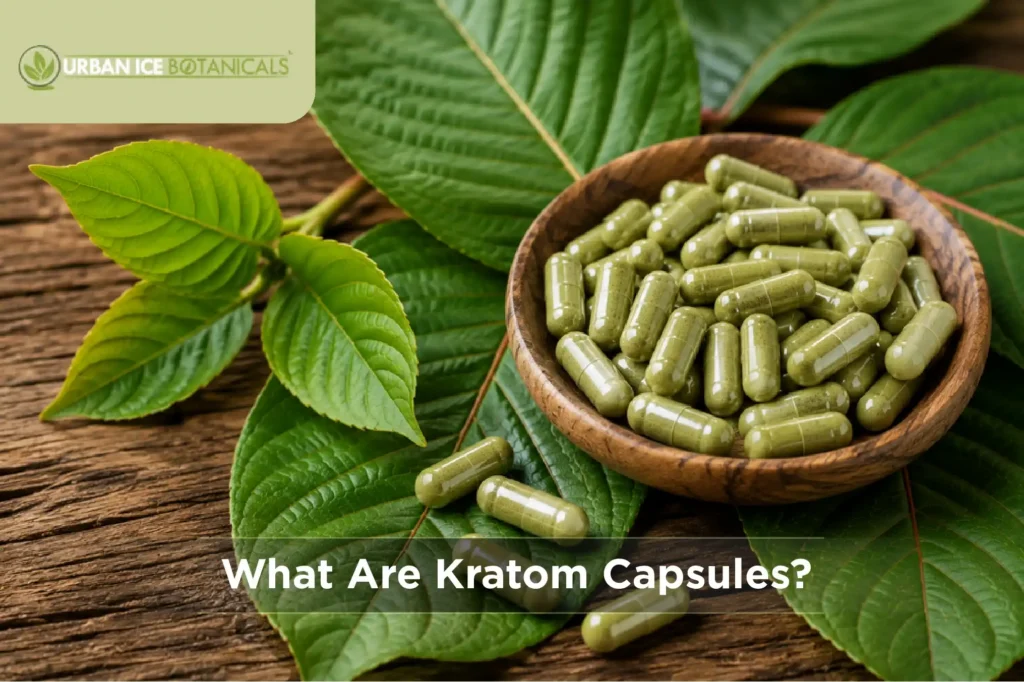
Kratom capsules are pre-measured supplements designed for oral consumption, filled with powdered leaves from the Mitragyna speciosa tree, which originates from Southeast Asia. Many users prefer kratom capsules because they provide consistent serving sizes, easier consumption, portable use, and reduced bitterness compared to loose kratom powder or liquid kratom extracts.
Depending on the strain type, alkaloid concentration, and serving size, the effects of kratom capsules may include energy support, focus support, relaxation-focused effects, mood enhancement, sleep support, and possible relief from physical discomfort. Different varieties, such as red vein, green vein, white vein, Bali, Borneo, Maeng Da, Sumatra, Malay, and gold kratom capsules, may produce distinct potential outcomes based on alkaloid profiles and potency.
Although kratom capsules are commonly used in wellness routines, responsible serving sizes, product quality, awareness of side effects, dependency risks, legal restrictions, and individual health conditions remain important for safer wellness effects and informed use.
What Are Kratom Capsules Made of?
Kratom capsules are made from finely ground kratom leaf powder sourced from the Mitragyna speciosa tree, which is native to Southeast Asia. The powder is placed into pre-measured gelatin or plant-based capsules to provide a convenient and easy-to-take form of kratom. The capsule contains alkaloids such as mitragynine, which interact with receptors in the body and contribute to the effects of kratom. Depending on the strain and serving size, users may seek energy support, relaxation, possible relief from discomfort, mood enhancement, or other potential advantages associated with kratom products.
Premium kratom capsules contain pure powdered leaves, though some include extracts for increased utility. High-quality options undergo third-party lab testing to verify purity and potency. Different varieties, such as red, green, and white-vein kratom, offer different effects and wellness-oriented functions based on their alkaloid profiles. While marketed as a natural supplement, high doses may cause nausea or dependency. Prioritizing responsible use and trusted sourcing is essential for safer physical response and for maximizing the botanical’s therapeutic potential.
How Do Kratom Capsules Work?
Kratom capsules work by releasing powdered kratom into the digestive system after the outer shell dissolves in the stomach. Once broken down, the body absorbs active alkaloids, such as mitragynine and 7-hydroxymitragynine, via the gastrointestinal tract. These alkaloids interact with receptors linked to mood, discomfort perception, energy levels, and relaxation responses. The effects of kratom may vary depending on the strain type, alkaloid concentration, serving size, metabolism, and individual tolerance.
Many users choose kratom capsules because the pre-measured format provides consistent usage and convenient intake compared to loose kratom powder. Lower servings are commonly associated with stimulant effects such as focus support and energy support, while higher doses are more frequently linked to relaxation and sedative effects. Some individuals report effects such as mood enhancement, possible relief from discomfort, and improved relaxation. However, the therapeutic potential and health outcomes associated with kratom products are still being researched, and effects may differ significantly between users, product quality, and frequency of use.
How Long Do Kratom Capsules Take to Kick In?
Most users notice effects within 45 to 60 minutes, although timing may vary based on metabolism, serving size, stomach contents, strain type, and tolerance level. Lower servings are more commonly associated with stimulant-oriented effects such as energy support and focus support.
How Long Do Kratom Capsule’s Effects Last for?
Kratom capsule effects commonly last for 4 to 8 hours. The duration of effect varies with serving size, alkaloid concentration, metabolism, tolerance, and kratom strain. Lower servings are more commonly associated with shorter stimulant-oriented effects, while higher servings may produce longer-lasting calming effects.
6 factors that may affect the onset time of Kratom capsule include:
- Empty or full stomach: Taking kratom capsules on an empty stomach may lead to faster absorption, while large meals can slow digestion and delay the effects.
- Metabolism and body weight: Individuals with faster metabolisms may process kratom products more quickly than those with slower metabolic rates.
- Kratom strain type: Different strains, such as red vein kratom or white vein kratom, may vary in alkaloid composition and onset speed.
- Capsule potency: Capsules with higher alkaloid concentration or kratom extract blends may produce effects more quickly or intensely.
- Tolerance level: Frequent users may require more time or larger servings to experience the same supportive effects and benefits.
- Frequency of use: Regular consumption can influence how the body responds to kratom and may affect overall physical response and therapeutic potential.
What Are Kratom Capsules Used For?
Kratom capsules are used for pain support, relaxation, sleep, energy, mood, focus, stress relief, general wellness, discomfort relief, and opioid withdrawal support. Strains and serving sizes dictate the outcome. Lower doses are more commonly associated with stimulant effects, whereas higher doses are more commonly associated with relaxation-oriented effects. Many users prefer capsules over loose powder for their convenience, portability, and precise, pre-measured portions. While wellness and therapeutic effects vary by individual, users frequently report positive effects on their daily comfort and focus.
Depending on individual wellness goals, several key purposes of kratom capsules are:
- Pain Support
Kratom capsules are commonly used for pain support because certain alkaloids may interact with receptors linked to discomfort perception and possible relief.
- Opioid Withdrawal & Dependence
Some individuals use kratom products during opioid withdrawal because the alkaloids may produce opioid-like effects that support discomfort management and withdrawal-related symptoms.
- Relaxation
Higher doses of kratom capsules are often associated with relaxation-oriented properties that may help users feel calmer and more settled.
- Sleep Support
Many users seek kratom capsules for sleep support because sedative effects linked to certain red vein kratom strains may encourage relaxation before rest.
- Energy Support
Lower servings of white vein kratom and similar strains are commonly used for energy support due to their stimulant effects and uplifting usage.
- Mood Support
Some individuals use kratom capsules for mood support because the active alkaloids may contribute to positive impacts and possible improvements in emotional balance.
- Focus Support
Kratom capsules may support concentration and mental clarity by promoting alertness and cognitive focus.
- Stress Relief
Many users seek discomfort management from daily stress because certain kratom strains are associated with calming, relaxing characteristics and relaxation effects.
- General Wellness
Kratom capsules are also incorporated into general wellness routines because of their convenient intake, portable use, and pre-measured serving sizes in daily lifestyle support.
- Discomfort Relief
Some individuals use kratom capsules for discomfort relief because the effects of kratom may help reduce physical uneasiness and support overall comfort.
What Are The Different Types of Kratom Capsules?
The different types of kratom capsules include red-vein, green-vein, white-vein, and yellow-vein kratom capsules, as well as region-specific varieties such as Bali, Borneo, Maeng Da, Sumatra, and Malay kratom capsules. Some kratom products are more commonly associated with stimulant-oriented effects like energy support and cognitive focus, while others are linked to relaxation-oriented function and relief effects. Many users choose specific kratom capsules based on their potential uses, possible advantages, and desired health outcomes, although therapeutic potential and positive impacts may vary depending on serving size, tolerance, and product quality.
10 types of kratom capsules include:
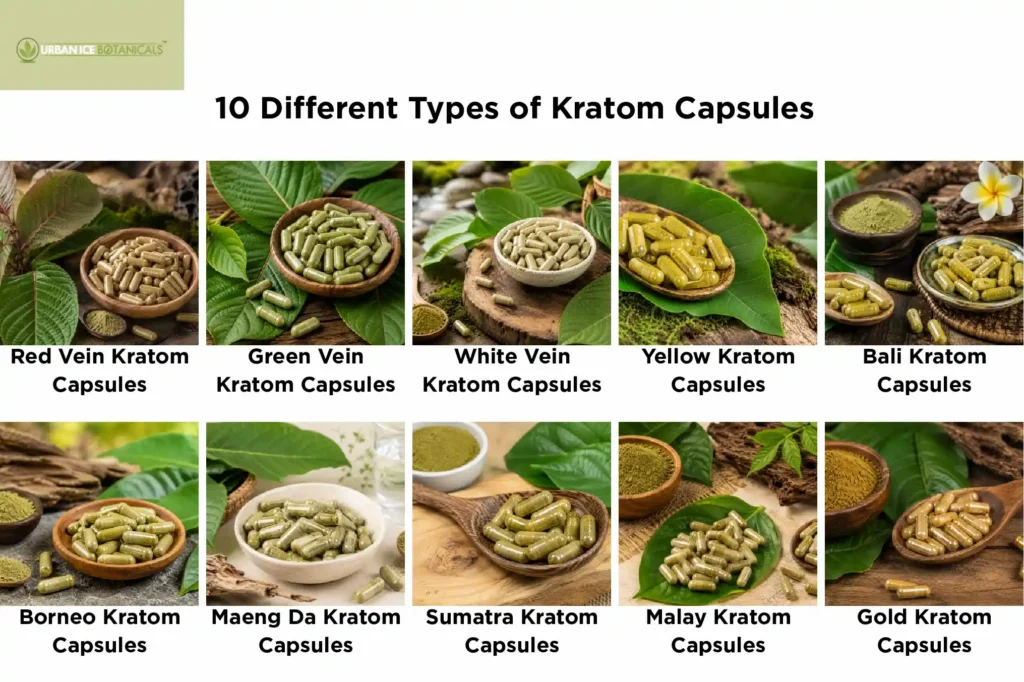
- Red Vein Kratom Capsules
Such capsules contain powder from leaves harvested at peak maturity, identifiable by their deep-red stems and veins. Users often prefer red-kratom because it is commonly associated with deep relaxation-focused effects. It is commonly associated with relaxation, discomfort management, and improved sleep.
- Green Vein Kratom Capsules
This variety is harvested at a mid-point in the tree’s growth cycle, offering a chemical profile that sits between red and white strains. The balanced nature of green-kratom provides a unique usage for those seeking both mild energy and moderate discomfort management. It is commonly linked to balanced energy support and mood enhancement, as well as to social confidence and general well-being.
- White Vein Kratom Capsules
White vein powder comes from young, early-harvest leaves that contain high concentrations of stimulating alkaloids. The primary potential uses for white-kratom center around productivity and mental clarity. It is frequently sought for its potential to improve focus, its stimulating effects, and its focus-oriented use for morning energy.
- Yellow Kratom Capsules
Yellow kratom is produced through specialized drying or fermentation methods applied to white- or green-vein leaves. Many users associate yellow kratom with balanced effects that may last longer than standard kratom varieties.
- Bali Kratom Capsules
Traditionally sourced from Indonesia, this strain is a staple in the botanical community for its consistent quality. The rich alkaloid density of Bali-kratom makes it an excellent choice for full-body relaxation. Its use is most apparent for deep stress relief and achieving calm, healthy outcomes.
- Borneo Kratom Capsules
Harvested from the massive island of Borneo, these leaves are known for their high concentration of 7-hydroxymitragynine. Selecting borneo-kratom is commonly used for stress relief and physical relaxation. It is prized for its therapeutic potential and its ability to provide possible relief during demanding days.
- Maeng Da Kratom Capsules
Meaning “pimp grade” in Thai, Maeng Da Kratom capsules are a grafted, high-potency version of the plant designed for maximum strength. The intense characteristics of maeng da kratom appeal to experienced users looking for potent energy or relief. Its potential outcomes are typically faster-acting and stronger than those of many traditional strains.
- Sumatra Kratom Capsules
This strain originates from the Indonesian island of Sumatra, where the tropical climate produces unique alkaloid ratios. Sumatra varieties are highly versatile, offering possible advantages for both stress management and cognitive focus. Depending on the vein color, its utility can range from a sleep aid to a daytime motivator.
- Malay Kratom Capsules
Grown in the lush forests of Malaysia, these leaves are celebrated for their distinctive durability and “smooth” feel. The enduring effects of green-malay-kratom provide a steady stream of energy that lasts throughout the day. It is a top choice for possible improvements in stamina and long-term health outcomes.
- Gold Kratom Capsules
These capsules are crafted through a specialized sun-drying or fermentation process that uniquely alters the leaf’s alkaloid profile. Integrating gold-kratom into a routine provides a mellow usage for relaxation. It offers possible advantages for achieving balanced health outcomes without excessive sedation.
How Many Kratom Capsules Should You Take?
You should take 2 to 10 kratom capsules, depending on your desired health outcomes and prior experience with the botanical. Beginners commonly start with 2 to 4 capsules to evaluate the effects and potential advantages, while moderate servings often range from 5 to 8 capsules. Higher servings may produce stronger relaxation- and relief-oriented effects, although potential and health outcomes can vary significantly between individuals. Starting with lower doses may help users assess therapeutic potential while reducing the risk of adverse effects.
How Much Kratom Is in One Capsule?
One kratom capsule contains between 0.5 grams and 1 gram of finely ground kratom powder, although the exact amount may vary by manufacturer and product type. Standard kratom capsules commonly contain around 500 milligrams (0.5 grams), while stronger kratom extract capsules may contain higher alkaloid concentrations for increased potency and different potential outcomes.
How Many Kratom Capsules to Take?
Beginners commonly start with 2 to 4 capsules, which usually equals around 1 to 2 grams of kratom powder. Moderate servings often range from 4 to 8 capsules (approximately 2 to 4 grams), while higher doses may exceed 8 capsules or 5 grams, depending on product potency and intended use. Since potential outcomes vary with individual tolerance, starting with lower amounts is the most effective way to evaluate the effects more safely and reduce the risk of side effects.
How Many Kratom Capsules Is Too Much?
Taking more than 12 to 15 kratom capsules in a single sitting is generally considered excessive and may increase the risk of nausea, dizziness, drowsiness, and other side effects. Crossing this threshold often reduces the utility of kratom products and may replace positive impacts with unwanted reactions. To maintain therapeutic potential and support safer health outcomes, it is best to stay within recommended serving ranges and avoid excessive doses.
What Are the Effects of Kratom Capsules?
The effects of kratom capsules include relaxation effects, energy effects, mood enhancement, focus support, discomfort relief, sedative effects, and euphoria-like effects because the active alkaloids in kratom interact with receptors linked to energy levels, mood responses, and discomfort perception. Lower doses are more commonly associated with stimulant effects such as focus and energy support, while higher doses are more frequently linked to calming, supportive properties and relaxation-oriented effects.
7 Potential effects of kratom capsules include:
- Relaxation Effects
Calming and relaxation-oriented effects are commonly reported at moderate to higher serving sizes because certain kratom capsule alkaloids may influence receptors linked to stress responses and physical tension.
- Energy Effects
Increased alertness and energy support are more frequently associated with lower serving sizes, as stimulating alkaloids within the kratom capsules may promote wakefulness and mental activity.
- Mood Effects
Positive mood changes and emotional balance may occur because kratom capsule compounds can influence receptors connected to mood responses and overall well-being.
- Focus Effects
Improved concentration and mental clarity are often linked to lower serving ranges because stimulant-oriented effects of kratom capsules may reduce distractions and support cognitive focus.
- Pain Relief Effects
Possible relief from physical discomfort may occur because kratom capsule compounds interact with receptors associated with discomfort perception and body relaxation.
- Sedative Effects
Drowsiness and calming effects are more commonly associated with higher doses, as the stronger alkaloid activity delivered by kratom capsules may dampen physical and mental stimulation.
- Euphoria-Like Effects
Mild euphoric sensations may be experienced by some users because kratom capsule alkaloids can influence mood-related receptor activity and relaxation responses.
What Do Kratom Capsules Feel Like?
Kratom capsules feel like a combination of stimulating and relaxing effects that can vary depending on the strain type, serving size, and individual tolerance level. Lower doses are more commonly associated with energy support, focus support, and mood enhancement, while higher doses may produce calming, relaxation-oriented, and relief effects from physical discomfort. Some users also report mild euphoria-like sensations, increased mental clarity, or sedative effects because kratom alkaloids interact with receptors linked to mood, energy levels, and discomfort perception.
What Are the Side Effects of Kratom Capsules?
The side effects of kratom capsules may include nausea, dizziness, drowsiness, dry mouth, constipation, loss of appetite, sweating, itching, headaches, tremors, upset stomach, and dependency risk because kratom alkaloids can influence digestive function, nervous system responses, hydration balance, and physical stimulation levels. Side effects are more commonly associated with higher doses, strong alkaloid potency, frequent use, or low tolerance to kratom products.
Understanding how these specific symptoms manifest can help you identify and manage adverse reactions.
- Nausea
Frequent kratom capsule use may increase the risk of tolerance, dependence, and withdrawal-related symptoms because repeated alkaloid exposure can affect neurological response patterns over time.
- Dizziness
Some users experience dizziness after taking kratom capsules because stimulant effects and alkaloid potency may influence blood pressure, hydration levels, and nervous system responses.
- Drowsiness
Higher doses of kratom capsules are more commonly linked to drowsiness and sedative effects because stronger alkaloid activity may reduce alertness and physical stimulation.
- Dry Mouth
Kratom capsules may contribute to dry mouth because the alkaloids can reduce saliva production and affect hydration balance in the body.
- Constipation
Frequent use of kratom capsules may slow digestive movement and increase the risk of constipation due to the way kratom compounds interact with the gastrointestinal system.
- Loss of Appetite
Some users report reduced appetite after taking kratom capsules because stimulant-oriented effects may temporarily suppress hunger signals.
- Sweating
Increased sweating may occur after consuming kratom capsules because stimulant effects can influence body temperature regulation and physical responses.
- Itching
Mild itching or skin irritation may develop because kratom alkaloids can trigger histamine-related reactions in sensitive individuals.
- Headaches
Kratom capsules may contribute to headaches when taken in excessive amounts or without proper hydration because strong alkaloid concentrations can affect nervous system balance.
- Tremors
Muscle shaking or tremors may occur when high doses of kratom capsules overstimulate the nervous system and increase physical tension.
- Upset Stomach
Digestive discomfort and stomach irritation may develop because kratom capsules contain concentrated powdered kratom that can affect gastrointestinal sensitivity in some users.
- Dependency Risk
Kratom capsules may cause nausea when taken in high serving sizes or on an empty stomach because concentrated kratom alkaloids can irritate the digestive system.
Kratom Capsules vs Other Kratom Products
While capsules provide pre-measured servings and easier intake, other forms, such as kratom powder, tablets, extract capsules, and Kratom liquid extracts, may offer faster absorption or stronger alkaloid concentration. The utility, characteristics, and potential outcomes of each product type can vary depending on serving size, product quality, and individual preference. Kratom capsules differ from other kratom products in absorption speed, convenience, potency, taste, and serving control.
| Product Type | Absorption Speed | Potency Level | Convenience | Taste Profile | Best Use Case |
| Kratom Capsules | Moderate (30–90 minutes) | Medium | High | Neutral | Measured serving sizes and easier daily consumption |
| Kratom Powder | Fast (15–45 minutes) | Medium | Medium | Bitter | Faster effects and flexible serving adjustments |
| Kratom Extract Capsules | Fast (15–45 minutes) | High | High | Neutral | Stronger alkaloid concentration with smaller servings |
| Kratom Tablets | Slow (45–90 minutes) | Medium | Medium | Neutral | Portable use with compressed tablet form |
| Kratom Liquid Extracts | Very Fast (10–30 minutes) | Very High | Medium | Strong | Rapid absorption and concentrated effects |
| Kratom Gummies | Moderate (30–60 minutes) | Medium | High | Sweet | Alternative option for users avoiding powder taste |
| Kratom Tea | Fast (15–40 minutes) | Medium | Low | Earthy/Bitter | Traditional preparation with quicker absorption |
| Raw Kratom Leaves | Fast (10–30 minutes) | Variable | Low | Bitter | Traditional chewing or brewing methods in Southeast Asia |
Kratom Capsules vs Kratom Powder
Standard kratom capsules feature pre-measured powder inside dissolvable shells, whereas kratom powder is consumed in its loose and unprocessed form. Because powder does not require capsule digestion, it may produce faster effects than kratom capsules. However, many users prefer capsules for their convenient intake, portability, accurate serving sizes, and reduced bitterness compared to loose kratom powder.
Kratom Capsules vs Kratom Tablets
Kratom capsules provide loose powdered kratom inside a hard shell, but kratom tablets are compressed into dense solid forms similar to supplement tablets. Tablets may take longer to break down in the digestive system and can feel harder to swallow for some individuals. In comparison, kratom capsules are often preferred for smoother consumption, flexible serving control, and easier digestion.
Kratom Capsules vs Kratom Extract Capsules
Regular kratom leaf powder fills traditional capsules, in contrast to kratom extract capsules which contain concentrated alkaloid extracts designed for stronger potency. Extract capsules may produce faster and more intense effects with smaller serving sizes due to their higher alkaloid concentration. However, traditional kratom capsules are commonly chosen for more balanced usage, controlled potency, and lower risk of tolerance buildup.
Kratom Capsules vs Kratom Liquid Extracts
While kratom capsules require digestion before the alkaloids are absorbed, kratom liquid extracts are designed for faster absorption and quicker effects. Kratom Liquid extracts may deliver stronger stimulant- or relaxation-oriented effects because the active compounds are already dissolved in liquid. On the other hand, kratom capsules provide more consistent serving sizes, easier portability, and a more convenient intake method without the strong taste often associated with liquid extracts.
Who Should Avoid Kratom Capsules?
Pregnant women, minors, and those with pre-existing medical conditions should avoid kratom capsules to prevent adverse potential outcomes and prioritize long-term health outcomes. Identifying who should abstain is vital because the botanical’s application can shift from beneficial to hazardous when it interacts with specific physiological vulnerabilities or pharmaceutical regimens.
- Pregnant or Nursing Individuals
Those expecting or breastfeeding must refrain from these products because the active alkaloids may affect fetal development or pass through breast milk.
- Children and Teens
Younger individuals should stay away from kratom products because developing bodies and neurological systems may be more vulnerable to stimulant effects and dependency-related risks.
- Older Adults (age 60+)
Seniors need to be cautious and skip these capsules if they have age-related health conditions or increased sensitivity to stimulant and sedative effects.
- People With Liver Disease
Patients with hepatic issues should steer clear of kratom because the body processes kratom alkaloids through the liver, which may increase the risk of complications.
- People With Kidney Disease
If you have renal concerns, you should skip these capsules because impaired kidney function may affect how the body processes and eliminates kratom compounds.
- People With Heart Conditions
Those with cardiac problems must avoid these products because stimulant effects may influence heart rate, blood pressure, and cardiovascular stress.
- People With Neurological Conditions
Patients with brain-related disorders should stay away from these capsules because certain alkaloids may affect brain activity and nervous system responses.
- People Taking Medications
Anyone using prescription or over-the-counter drugs should refrain from kratom unless approved by a healthcare professional due to the potential risk of drug interactions.
- Individuals With Substance Use History
Those who have struggled with dependence should avoid these products because regular use may increase the risk of dependency-related concerns.
- People Sensitive to Stimulants
If you react poorly to caffeine or similar substances, you should skip certain kratom strains because they may contribute to restlessness, rapid heartbeat, or anxiety-like symptoms.
- People Preparing for Surgery
Surgical patients must stop taking these capsules because the alkaloids may interfere with anesthesia, medications, or recovery processes.
- Individuals With Mental Health Conditions
Those managing psychological disorders should stay away from these products if stimulant or psychoactive effects worsen mood instability, anxiety, or cognitive symptoms.
Is Kratom Capsules Legal?
Kratom capsules are legal in several states, while other states and municipalities restrict or ban kratom sales because of safety concerns, dependency risks, and regulatory uncertainty. The legal status of kratom varies by country, state, and local jurisdiction. Because kratom regulations change frequently, users should verify local laws before purchasing or consuming kratom capsules.
How To Get Kratom Capsules?
You can purchase Kratom capsules online through specialized botanical retailers, wellness stores, and kratom-focused websites that offer different strains, capsule strengths, and lab-tested products. Many users refer to a kratom buying guide to compare product quality, alkaloid potency, and third-party testing standards. Choosing trusted suppliers may help improve product consistency, safety, and overall health outcomes.