Skip to main content


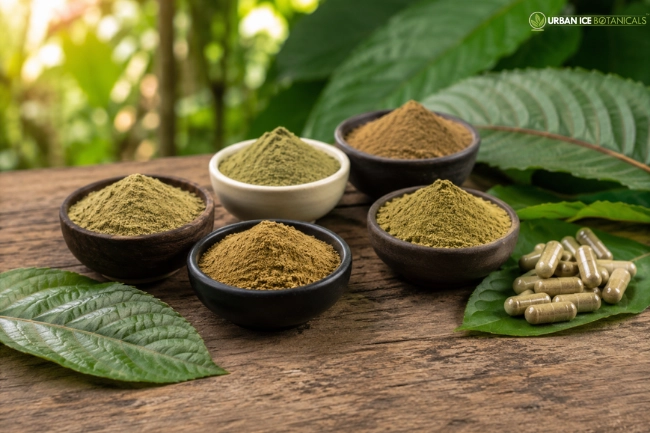
Kratom strains differentiate by leaf vein color, regional origin, processing techniques, and dosage levels to help you select a variety tailored to your personal wellness goals. To choose the right strain, systematically match your specific objectives, such as daytime productivity or evening relaxation, to the corresponding color profile: stimulating white veins supply energy, mid-cycle green veins provide balance, and mature red veins deliver deep calm. Next, evaluate regional potencies, noting that Maeng Da offers heightened intensity while Bali and Borneo deliver smooth, steady qualities. Because kratom triggers highly dose-dependent experiences and carries serious health and safety considerations, always start with a low serving of 0.5 to 1 gram to safely gauge your body chemistry. Also, verify your product’s purity by reviewing third-party lab testing and local regulations to ensure a safe, predictable, and fully customized experience.
Kratom Strain Comparison Chart
Utilizing this structured kratom strain comparison chart allows you to quickly differentiate between options like Maeng Da, Red Bali, Green Malay, and White Borneo to ensure your selection aligns precisely with your specific physical and wellness goals.
| Strain Name | Vein Color | Effects | Main Benefit |
| Maeng Da | Red, Green, White | Red: Potent, soothing, discomfort relief, nighttime relaxation Green: Calming, balanced between relaxation and stimulation White: Stimulating, high energy, alertness | Red: Strong discomfort relief and deep calm Green: Balanced mood and moderate relief White: Energy and sharp mental clarity |
| Red Bali | Red | Potent, soothing, physical comfort, best for nighttime use | Deep relaxation and substantial discomfort relief |
| Green Malay | Green | Calming, mild relief, intermediate balance between focus and calm | Balanced energy and mild physical comfort |
| White Borneo | White | Stimulating, high energy, daytime motivation | Increased energy and sharp mental focus |
What Are the Main Types of Kratom Strains?
The main types of kratom strains include color variations such as red, white, green, and yellow, as well as regional varieties such as Bali, Borneo, Sumatra, Indo, and Vietnam. Evaluating these distinct categories is essential because leaf maturity, drying methods, and cultivation regions interact to shape each strain’s specific alkaloid levels and ultimate effects.
What are the Types of Kratom Strains by Color Variation?
The types of kratom strains by color variation include red, white, green, and yellow options, which act as the primary indicators of a plant’s chemical profile. Analyzing these visual differences is critical because the specific color reflects leaf maturity at harvest and the distinct drying techniques used to dictate the final potency.
- Red vein kratom strains: Fully mature leaves undergo extended sunlight exposure or fermentation to build high concentrations of 7-hydroxymitragynine. This specialized aging delivers deeply soothing, relaxing properties that make varieties like Red Bali an exceptional selection for evening use, tension relief, and sleep support.
- White vein kratom strains: Sourced from the youngest leaves on the tree, these varieties dry indoors or in shaded environments to protect their lighter appearance. They act as a strong, natural alternative to coffee, supplying clean daytime energy, sharp alertness, and intense mental motivation.
- Green vein kratom strains: Harvested at a moderate mid-cycle stage and dried in partial sunlight, Green vein kratom maintains a highly adaptable, intermediate alkaloid composition. Users secure a functional blend of subtle energy and gentle physical comfort, yielding daytime clarity without triggering overstimulation or sedation.
- Yellow vein kratom strains: Created artificially through specialized blending or prolonged fermentation rather than occurring naturally, Yellow vein kratom delivers a uniquely smooth profile. The hybrid process bridges the gap between different vein types to generate balanced, long-lasting mood enhancement.
What are the Types of Kratom Strains by Regional Variation?
The types of kratom strains by regional variation include Bali, Borneo, Sumatra, Indo, and Vietnam varieties, which reflect traditional growing regions, harvesting practices, and localized drying methods. While vein color often shapes the primary effect profile, the regional origin helps users compare duration, balance, strength, and use case.
Bali Kratom Strains
Highly recommended for beginners due to an approachable and well-rounded profile sourced primarily from Indonesia. The red kratom selection is globally famous for delivering deep physical relaxation and robust comfort, while Bali kratom strains in green and white varieties offer a gentler, more versatile lift.
Borneo Kratom Strains
Hailing from the island of Borneo, these specific varieties are heavily favored for their exceptionally steady and grounding properties. In many regional comparisons, Borneo kratom strains carry a distinct reputation for being noticeably more sedating than other regional types, making them a top choice for managing heavy stress.
Malay Kratom Strains
Malay kratom strains are traditionally associated with Malaysia and are often discussed for their steady, long-lasting profile. Among Malaysian kratom varieties, Green Malay Kratom is commonly linked with balanced energy, mild mood support, and sustained focus without leaning too heavily toward stimulation or sedation.
Sumatra Kratom Strains
These leaves provide a remarkably long-lasting experience that sustains its impact over many hours. Depending on the exact harvest maturity, Sumatra kratom strains in red varieties offer a highly enduring sense of calm, while the white and green varieties provide a prolonged boost to mood and focus.
Indo Kratom Strains
Recognized for displaying a far less stimulating nature compared to alternative geographical strains, Indonesian options prioritize physical harmony. Among Indo kratom strains, the green and red varieties excel at soothing physical discomfort and fostering a mellow, balanced state of well-being.
Vietnam Kratom Strains
Cultivated along the fertile banks of the Mekong River, this region is celebrated for its exceptional yellow vein processing. In this regional group, Vietnam kratom strains yield a remarkably steady, hybrid-like effect that blends light mental focus with calm relaxation.
What Are the Key Differences Between Popular Kratom Strains?
The key differences between popular kratom strains stem from leaf maturity, processing methods, and regional alkaloid profiles rather than distinct plant species. White vein, harvested early, offers stimulation and focus. Mid-cycle green vein delivers a balanced blend of subtle energy and clarity. Mature red vein, often fermented, supports relaxation and relief of discomfort. Additionally, regional varieties dictate specific potencies: Maeng Da delivers high potency, Bali and Borneo favor deep relaxation, and Thai strains maximize daytime energy. Beyond these well-known strains, the kratom market features specialized varieties that offer unique effects through distinct processing methods and blends.
Are There any Other Types of Kratom Strains?
Yes, there are other types of specialized kratom strains beyond the standard red, green, and white varieties, specifically including Blended Kratom and Enhanced Kratom options. Exploring these alternative categories is valuable because distinct blending techniques and raw extract infusions fundamentally alter the plant’s final alkaloid concentration, delivering highly targeted, amplified, or multi-spectrum effects.
- Blended Kratom: It combines leaves from different vein colors, which are red, white, and green, to create a product that offers a broad spectrum of effects. These specific combinations, such as Trainwreck Kratom or fermented yellow and gold blends, are designed to balance or target specific experiences by merging distinct attributes like energy and rest into a single, nuanced product.
- Enhanced Kratom: This category refers to products where producers mix standard kratom powder with a highly concentrated kratom extract. This specific formulation process artificially increases the strain’s overall potency, resulting in an amplified alkaloid profile and significantly stronger effects that require careful dosing and are recommended primarily for experienced users.
What Effects Are Associated With Different Kratom Strains?
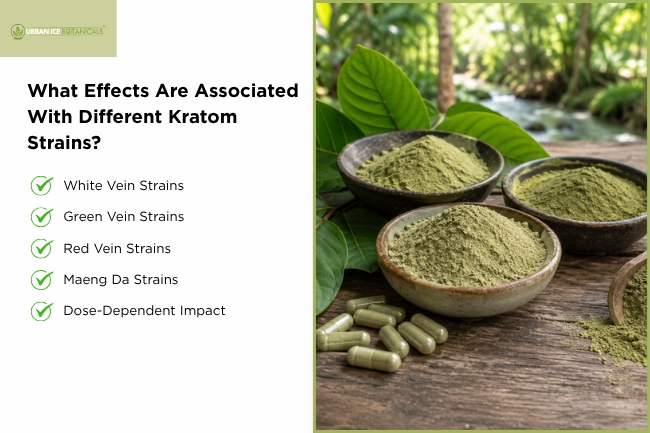
The effects that are associated with different kratom strains include stimulation, mental clarity, balanced focus, relaxation, and discomfort relief. Analyzing these diverse outcomes is critical because a strain’s specific impact depends entirely on its unique alkaloid profile, the leaf vein color, and the amount you consume.
Key Effects by Category
- White Vein Strains: Delivers stimulating effects, providing increased energy and heightened mental clarity. This occurs because the specific alkaloid concentration in white vein kratoms acts as a natural stimulant, making it ideal for daytime productivity and focus.
- Green Vein Strains: Offer a balanced experience by combining mild stimulation with moderate relaxation. This middle-ground profile is why green vein kratom strains help users achieve calm without experiencing heavy sedation, making them suitable for sustaining both focus and composure.
- Red Vein Strains: Provide relaxing effects that relieve discomfort and promote a sense of calm. The distinct alkaloid maturity in red vein kratom strains interacts with the body to soothe physical tension, which makes them a preferred choice for evening use and sleep support.
- Maeng Da Strains: Recognized for strong potency across all vein colors, producing much more pronounced effects than other varieties. This heightened intensity is why Maeng Da kratom strains are often associated with specialized breeding and processing techniques designed to maximize total alkaloid volume for long-lasting results.
- Dose-Dependent Impact: The amount consumed alters the biological response, lower doses (1-5 grams) primarily stimulate the nervous system for alertness, while higher doses (5-15 grams) shift the plant’s behavior toward sedative effects and deep physical relaxation.
What Factors Should You Consider When Choosing a Kratom Strain?
Consider the factors such as vein color, region of origin, experience level, intended goal, and individual body chemistry when choosing a kratom strain. Evaluating these specific elements ensures you select a variety that safely and predictably aligns with your personal tolerance and desired wellness outcomes.
- Vein Color and Effects: Vein color dictates the primary impact of the plant. White vein provides stimulating energy and focus, red vein promotes relaxation and discomfort relief, and green vein delivers a moderate, balanced experience. Reviewing a strain chart clarifies these distinctions.
- Region of Origin: The cultivation environment in Southeast Asian regions—like Bali, Borneo, and India—alters the soil and climate. This directly changes the plant’s alkaloid profile, giving each regional strain unique characteristics.
- Experience Level: Beginners should start with balanced, forgiving options like green vein strains, Bali, or Borneo. Save highly potent varieties like Maeng Da for when your tolerance develops.
- Intended Goal: Match the strain to your specific objective. Select white strains for motivation, red strains for calm, and green strains for a mild, everyday balance.
- Individual Body Chemistry: Your unique metabolism processes kratom alkaloids differently than anyone else’s. Always start with the smallest possible serving to safely gauge your specific physical response.
What Should You Know About Kratom Safety and Legality?
You should know that kratom carries serious health warnings from agencies like the FDA and faces a complex, fragmented legal landscape across the United States, because the substance is unregulated for purity at the federal level and its active alkaloids interact with body receptors to cause dose-dependent risks like dependency, liver toxicity, or varying local legal bans.
- Understand the health risks
Recognize that the FDA has not approved kratom for any medical use and warns against serious adverse events, including addiction, dependence, liver toxicity, seizures, and substance use disorder.
- Verify the lack of regulation
Acknowledge that because federal agencies do not inspect kratom products, items can vary in strength, contain unknown contaminants, or interact dangerously with other medications.
- Check for state and local bans
Confirm your local laws before purchasing, keeping in mind that kratom is completely banned in Alabama, Arkansas, Connecticut, Indiana, Louisiana, Vermont, Wisconsin, and Washington, D.C.
- Review local age and labeling laws
Determine if you live in one of the 15 states that regulate sales under the Kratom Consumer Protection Act (KCPA), or in an unregulated state with zero federal oversight.
What Should You Look for in a Quality Kratom Product?
You should look for third-party lab testing, batch-specific Certificates of Analysis (COAs), American Kratom Association (AKA) GMP certification, transparent manufacturer labeling, and secure packaging in a quality kratom product, because these rigorous safety standards verify the absence of harmful contaminants like heavy metals and microbes while ensuring the product’s purity, freshness, and exact alkaloid potency.
How Much Kratom Should You Take?
Take a kratom dose by starting with a low amount of 0.5 to 1 gram and adjusting gradually in 0.5-gram increments up to a range of 3 to 9 grams. Its effects are highly dose-dependent, lower kratom doses stimulate the body, while higher doses induce sedation or relaxation.
| Dose Range | Measurement | Common Effects | Best For |
| Starter Dose | 0.5 – 1 gram | Subtle, introductory response | Beginners assessing personal tolerance |
| Low Dose | 1 – 3 grams | Stimulating, mild energy, and focus | Daytime productivity and alertness |
| Moderate to High Dose | 3 – 9 grams | Relaxing, calming, and sedating | Evening use, relief, and deep calm |
| Capsule Equivalent | 500 – 660 mg per capsule | Varies by total capsule count | Precise, taste-free dosing |
Safety Note: Because individual responses vary significantly based on body weight and tolerance, always consult a healthcare professional before use, take regular breaks, and rotate your strains to manage tolerance safely.
How To Choose The Right Kratom Strain For You?
Choose the right kratom strain for you by identifying your specific wellness goal and matching it to the corresponding vein color and strain type, because each variety undergoes unique drying methods that alter its alkaloid profile to produce distinct effects like energy, relaxation, or balance.
To choose the most suitable kratom strain, follow this step-by-step process:
- Identify your goal: Decide whether you want energy, relaxation, or a balanced effect. For example, some users seek a stimulating effect for daytime use, while others prefer a calming effect for the evening.
- Match your goal to vein color: Choose white-vein kratom for energy and focus, making it suitable for daytime activities. Green vein kratom offers a balanced effect, providing moderate energy and clarity without being too stimulating or too relaxing. Red vein kratom is often chosen for its relaxing effects and is commonly used in the evening or for relief and calm.
- Consider strain types: Certain strains are known for specific attributes. Maeng Da is recognized for its strong potency and higher alkaloid content, making it a popular choice for those seeking a more pronounced effect. Or, opt for Borneo and Bali strains for their mellow, relaxing properties, making them suitable for those seeking a smoother experience.
If you are new to kratom, start with a green vein strain at a low dose, such as 1–2 grams. This approach allows you to gauge how your body responds before considering higher doses or different strains. Because effects vary from person to person, you can refer to a comprehensive Kratom Strains Guide for in-depth comparisons to help fine-tune your selection.