Skip to main content


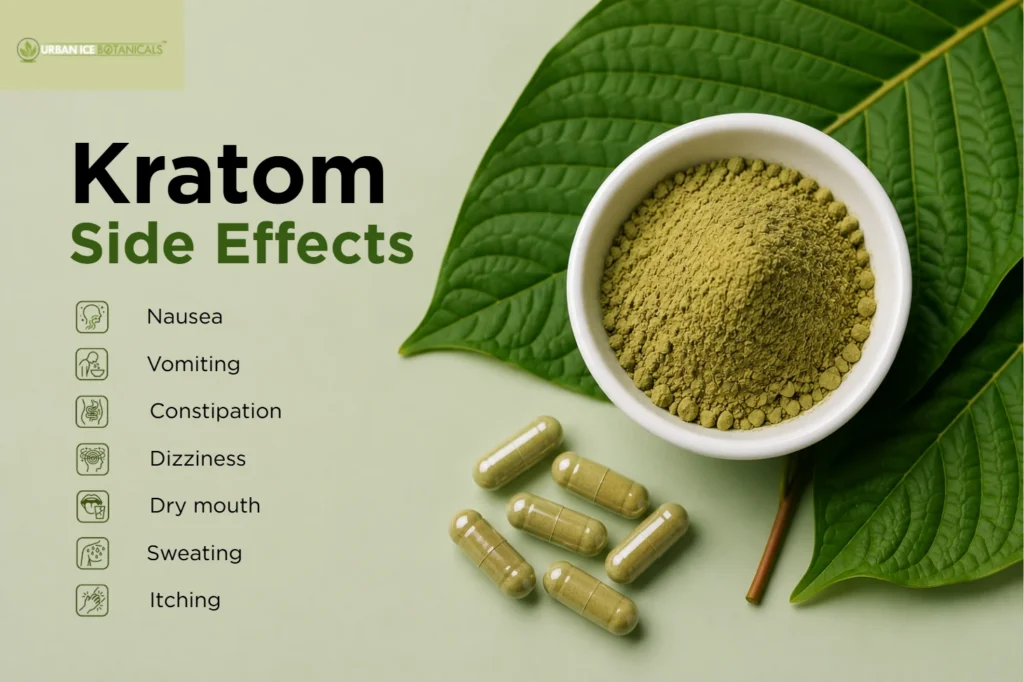
Kratom side effects range from mild digestive discomfort to serious neurological, cardiovascular, and respiratory complications depending on dosage, frequency of use, product quality, and individual health factors. Common kratom side effects include nausea, vomiting, constipation, dizziness, dry mouth, sweating, itching, appetite suppression, and sleep disturbances. Higher consumption levels increase the risk of liver injury, seizures, confusion, breathing problems, elevated heart rate, high blood pressure, and loss of consciousness. The plant’s active alkaloids also affect mood, pain perception, energy, focus, digestion, hormonal balance, and sleep regulation. Repeated exposure can cause tolerance, physical dependence, addiction, and withdrawal symptoms such as anxiety, depression, irritability, insomnia, and nausea. Understanding mitragynine toxicity, individual risk factors, product quality concerns, and current legal status is essential for making informed decisions about kratom use.
What Are The Common Side Effects of Kratom?
The common side effects of kratom include nausea, vomiting, constipation, dizziness, dry mouth, sweating, itching, loss of appetite, and sleep problems. These reactions occur when the plant’s active alkaloids interact with the digestive system, nervous system, and other biological pathways. Most side effects are mild and temporary, although their intensity often increases with larger serving sizes, concentrated extracts, or frequent consumption.
- Nausea
A sudden wave of queasiness often impacts users when plant alkaloids interact directly with the gastrointestinal lining. This stomach upset usually develops within 30 to 60 minutes of ingestion, but eating a small meal beforehand prevents the biological discomfort.
- Vomiting
High servings stimulate the brain’s chemoreceptor trigger zone, forcing the stomach to immediately expel its contents. This natural purging reflex happens when raw plant matter irritates a sensitive digestive tract, making active hydration essential for quick recovery.
- Constipation
Regular consumption slows down intestinal motility, causing infrequent or difficult bowel movements that disrupt daily comfort. Because the herbal compounds bind to local metabolic receptors in the gut, increasing dietary fiber and fluid intake is required to restore regular function.
- Dizziness
Lightheadedness occasionally occurs because the active botanical compounds alter systemic blood pressure and cranial circulation. Individuals notice this brief spinning sensation during rapid positional changes, particularly after taking concentrated extracts on an empty stomach.
- Dry mouth
The organic compounds temporarily suppress salivary gland secretions, leaving the oral cavity feeling parched and uncomfortable. This localized dehydration diminishes your natural saliva production for a few hours, though sipping water consistently provides direct relief.
- Sweating
Perspiration increases rapidly as the plant’s stimulating properties engage the autonomic nervous system to raise core body heat. The physical flush forces the sweat glands to work overtime until the alkaloids completely clear the metabolic system.
- Itching
Mild cutaneous sensations arise when specific components trigger a localized histamine release from mast cells beneath the skin. This non-allergic irritation creates a prickly feeling across the torso or extremities that fades without medical intervention.
- Loss of appetite
The herb suppresses nutritional cravings by modulating the primary neural signaling pathways that control hunger and satiety. This caloric reduction suppresses your urge to eat for roughly 2 to 4 hours following consumption.
- Sleep problems
Consuming stimulatory strains late in the evening disrupts your natural circadian rhythm by delaying the onset of deep rest. The active alertness mimics mild caffeine overstimulation, which makes early day usage the ideal strategy for undisturbed sleep.
Does Kratom Have Serious Side Effects?
Yes, kratom use includes serious side effects such as liver damage, neurological disruptions, respiratory failure, and dangerous cardiovascular strain. While low doses carry lesser risks, high-volume consumption or mixing the herb with other substances triggers severe, potentially life-threatening physiological crises that demand immediate emergency medical intervention.
- Liver problems
Hepatotoxicity manifests as a critical organ injury when the body struggles to process heavy alkaloid loads over an extended period. This severe hepatic stress causes dangerous toxins to accumulate in the bloodstream because overworked liver enzymes fail to metabolize the concentrated plant compounds efficiently.
- Seizures
Sudden grand mal convulsions occur when massive doses of mitragynine violently overstimulate the central nervous system. This uncontrolled electrical activity shocks the brain pathways, disrupting normal neurological firing and triggering involuntary physical spasms without warning.
- Confusion
Severe cognitive disorientation completely impairs an individual’s spatial awareness, mental clarity, and executive functioning. The profound delirium sets in because toxic levels of the herb alter critical neurotransmitter receptors, blinding the mind to its immediate surroundings.
- Breathing problems
Life-threatening respiratory depression significantly slows down a user’s respiration rate, depriving vital organs of necessary oxygen. This dangerous respiratory failure happens because the active compounds bind heavily to central neural receptors, paralyzing the autonomic drive to breathe.
- Increased heart rate
Tachycardia forces the cardiovascular muscle to beat at dangerous speeds, inducing sudden chest pain and erratic palpitations. The intense cardiac strain develops because the botanical acts as a potent stimulant, flooding the circulatory system with adrenaline-like stress signals.
- High blood pressure
Severe hypertension stresses the vascular walls, dramatically escalating the immediate risk of a stroke or aneurysm. Acute vasoconstriction tightens the arterial pathways when excessive alkaloid levels force the smooth muscles around blood vessels to contract.
- Loss of consciousness
Complete comatose blackouts plunge the consumer into an unresponsive state where they cannot be easily awakened. This sudden drop in awareness signals total systemic shock or severe oxygen deprivation, which leaves the body entirely incapacitated.
How Does Kratom Affect the Brain and Body?
Kratom affects the brain and body by operating as a dual-action pharmacological agent that binds to mu-opioid and alpha-2 adrenergic receptors, shifting bodily functions from heightened stimulant arousal to deep physical sedation based entirely on dosage. In the brain, its active alkaloids optimize neurotransmitter availability in the prefrontal cortex to sharpen cognitive focus and flood the mesolimbic pathway with dopamine to elevate mood and suppress anxiety. Simultaneously, it intercepts physical pain signals along the spinal cord to blunt sensory discomfort while altering adrenaline pathways to boost physical stamina at low doses. In the peripheral systems, the herb downregulates the hypothalamic-pituitary-gonadal axis to suppress testosterone production, while binding to localized gut receptors to slow down gastric emptying and smooth muscle intestinal contractions.
How Does Kratom Affect Mood?
Kratom affects your emotional baseline by binding directly to the mu-opioid receptors in the brain’s reward center. Once these active alkaloids attach to neural pathways, they trigger a rapid release of dopamine and serotonin while simultaneously dampening cortisol-driven stress responses in the amygdala. This chemical shift creates an immediate sense of optimism and emotional resilience, which temporarily eliminates social anxiety and mutes racing thoughts without causing the severe cognitive blunting common in synthetic pharmaceutical alternatives.
How Does Kratom Affect Pain Response?
This botanical remedy affects your sensory nervous system by intercepting nociceptive pain signals along the spinal cord before they reach the cerebral cortex. The plant’s primary alkaloid, mitragynine, acts as a partial agonist on opioid receptors to block localized distress messages stemming from inflammation, tissue damage, or chronic joint stress. By changing how the central nervous system interprets physical trauma, it drastically reduces your perception of deep muscle aches and structural discomfort, offering sustainable relief that keeps you physically functional throughout the day.
How Does Kratom Affect Energy and Alertness?
Low-dose kratom consumption affects your metabolic stamina by interacting with alpha-2 adrenergic receptors to mimic the cellular alertness of adrenaline. Such targeted stimulation causes mild vasoconstriction and increases oxygen transport through the bloodstream, effectively clearing away mental fatigue. Because this mechanism bypasses the adenosine-receptor block utilized by coffee, the resulting surge in endurance provides clean physical energy and sharp reflexes that do not terminate in a sudden, exhaustive afternoon crash.
How Does Kratom Affect Sleep?
High-volume kratom ingestion affects your natural circadian rhythm by slowing down the central nervous system’s electrical firing to encourage deep muscle relaxation. This profound somatic sedation stabilizes brain wave activity, facilitating a smoother transition into slow-wave delta sleep where cellular repair takes place. However, mismanaging your timing or using a stimulatory green strain within four hours of bedtime keeps your mind in a state of hyper-arousal, which fractures your REM patterns and leaves you feeling unrefreshed.
How Does Kratom Affect Focus?
Kratom’s active compounds affect your executive cognitive functions by optimizing the density and availability of neurotransmitters within the prefrontal cortex. By modulating acetylcholine and noradrenaline pathways, the herb sharpens your working memory, expands your attention span, and prevents extraneous environmental distractions from breaking your concentration. This state of mental clarity allows you to process complex, data-heavy documents and sustain grueling, repetitive analytical projects without experiencing immediate brain fog or mental burnout.
How Does Kratom Affect Hormonal Balance?
Chronic, heavy consumption of kratom affects your endocrine health by disrupting the delicate signaling pathways of the hypothalamic-pituitary-gonadal axis. Continuous alkaloid exposure downregulates the pulsatile release of gonadotropin-releasing hormone, which stalls the downstream biological cues required for chemical synthesis. Over an extended period, this systemic interference leads to a measurable drop in total serum testosterone, elevated prolactin production, decreased reproductive vitality, and a noticeable reduction in baseline libido.
How Does Kratom Affect Appetite and Digestion?
Kratom affects your gastrointestinal tract by binding directly to the localized mu and kappa receptors located inside the stomach lining. This biological engagement delays your natural gastric emptying and reduces the frequency of the smooth muscle contractions needed to move waste efficiently through the bowels. While this process benefits short-term fasting by keeping your stomach feeling physically full and suppressing hunger cues, it simultaneously extracts vital moisture from the digestive tract, which inevitably causes severe intestinal stagnation.
How Does Kratom Cause Tolerance?
Kratom causes tolerance by downregulating your brain’s mu-opioid receptors after prolonged, repetitive exposure to its active alkaloids. When mitragynine and 7-hydroxymitragynine consistently flood your central nervous system, they overstimulate these specific neural docking sites. To protect itself from this chemical overload, the brain initiates a survival mechanism: it physically pulls the receptors inside the cell walls, a process called receptor internalization, and makes the remaining surface receptors significantly less sensitive.
Because your brain now has fewer active docking sites available, your baseline physiology adapts to the herb’s presence. The exact same dose that once produced intense pain relief, energy, or euphoria suddenly yields minimal physical response. To achieve the original level of efficacy, users are forced to continuously increase their milligram payload, creating an escalating threshold that accelerates systemic tolerance and shifts your biochemistry away from natural equilibrium.
Can Kratom Cause Addiction or Dependence?
Yes, kratom causes addiction and physical dependence by rewiring your brain’s neural pathways through prolonged receptor overstimulation. Because its active alkaloids continuously bind to mu-opioid docking sites, your brain gradually stops producing its own natural pain-killing and mood-regulating chemicals, specifically endorphins and dopamine. Over time, your central nervous system adapts to the constant presence of the herb, reaching a state of neurobiological equilibrium where it relies entirely on the plant to function normally.
This biochemical shift splits the risk into 2 distinct clinical issues:
- Physical Dependence: A Biological adaptation where your body goes into systemic shock if you suddenly stop taking the herb. Without the plant compounds, your under-stimulated receptors trigger immediate, painful physical withdrawal symptoms like severe muscle aches, uncontrollable shaking, and gastrointestinal distress.
- Psychological Addiction: It is a behavioral condition driven by compulsive cravings and a loss of control over consumption. Users experience an overwhelming psychological urge to consume the herb to escape emotional discomfort, manage chronic anxiety, or recreate the intense euphoria of early doses, even when doing so causes obvious harm to their personal relationships, finances, and physical health.
What Are Kratom Withdrawal Symptoms?
The kratom withdrawal symptoms include depression, anxiety, restlessness, irritability, physical tension, insomnia, and nausea, which occur because your central nervous system is abruptly deprived of stabilizing plant alkaloids. Because your brain has drastically downregulated its natural neurotransmitter production to accommodate the herb’s daily presence, halting consumption forces your body into a state of severe autonomic hyper-arousal.
- Depression: Your baseline mood plummets into severe emotional numbness because your brain’s reward center suffers an immediate deficit in dopamine and serotonin. This sudden neurological crash completely drains your motivation and leaves you feeling completely disconnected from everyday joy. The profound lethargy makes even simple daily tasks feel like insurmountable obstacles during the initial days of detox.
- Anxiety: The central nervous system experiences an unmanaged surge of noradrenaline, trapping you in a visceral state of constant panic and dread. Without the herb’s alkaloidal buffering effect, your amygdala becomes hyper-reactive to normal environmental stimuli. This creates a looping cycle of racing thoughts and a persistent feeling of impending doom that is highly disruptive.
- Restlessness: Your limbs undergo intense somatic agitation, causing a persistent, uncontrollable urge to move that leaves you physically exhausted. This internal tension closely mimics restless legs syndrome and peaks primarily when you try to lie down and relax. The constant physical shifting makes it impossible to find a comfortable resting position for your body.
- Irritability: Decreased receptor activity leaves your nerves highly sensitive, causing minor environmental frustrations to trigger volatile outbursts of anger. Your emotional bandwidth becomes completely compromised as your brain battles the physical discomfort of chemical deprivation. This short-fused state frequently strains personal interactions and makes communication highly taxing.
- Feeling Tense: Your musculoskeletal system locks into a rigid “fight-or-flight” state, creating deep, localized joint aches and severe body stiffness. Muscle fibers lose the deep relaxing properties of the plant’s active compounds and react by tightly contracting. This constant physical guarding leads to painful tension knots across your neck, back, and shoulders.
- Insomnia: Sleep architecture completely collapses because racing thoughts, night sweats, and physical chills trap your brain in a state of hyper-vigilance. The lack of sedative alkaloids prevents your body from shifting into the deep, restorative phases of delta sleep. You are often left tossing and turning for hours, facing severe exhaustion during the daytime.
- Nausea: Localized receptors in your gut lining experience sudden withdrawal, causing volatile stomach contractions, digestive cramping, and acute waves of vomiting. This rebound effect drastically accelerates your gastric motility and completely disrupts normal digestion. The inability to keep food or liquids down can rapidly lead to dehydration and physical weakness.
What is Mitragynine Toxicity?
Mitragynine toxicity is an acute, life-threatening poisoning condition that occurs when the concentration of kratom’s primary alkaloid reaches hazardous, toxic levels in the human bloodstream. Unlike the mild, manageable side effects of low-dose consumption, this clinical toxicity represents a state of physiological overdose where the body’s metabolic organs are completely overwhelmed. The condition manifests as an acute medical crisis characterized by profound central nervous system depression, severe cognitive delirium, cardiotoxicity, and acute organ failure, requiring immediate emergency medical intervention.
What Causes Mitragynine Toxicity?
Massive dosage overload, dangerous polysubstance mixing, and pre-existing metabolic vulnerabilities cause mitragynine toxicity by oversaturating your neural receptors and rendering the liver’s natural detoxification pathways entirely ineffective. This lethal accumulation of active alkaloids triggers systemic physiological shock as unprocessed plant chemicals flood your bloodstream and paralyze autonomic bodily functions. Recognizing these foundational risk factors is critical because it highlights exactly how behavioral choices and biological limitations transform an organic supplement into a hazardous poison.
- Massive Dosage Overload
Consuming extreme, concentrated quantities of powder or high-potency extracts causes a rapid, unmanageable spike in serum alkaloid levels. This sudden influx completely saturates the liver’s cytochrome P450 enzyme system, forcing raw mitragynine to bypass metabolic clearance and trigger immediate receptor toxicity.
- Dangerous Polysubstance Mixing
Combining the herb with central nervous system depressants like alcohol, prescription opioids, or sedatives causes a fatal respiratory synergy. Because these combined substances attack overlapping neural pathways simultaneously, they exponentially multiply sedation levels and can ultimately paralyze the brainstem’s automated drive to breathe.
- Metabolic and Pre-existing Organ Vulnerabilities
Individuals with compromised liver or kidney functions face a dramatically heightened risk of poisoning even when consuming standard serving sizes. Impaired hepatic clearance delays the natural breakdown of the plant’s metabolites, allowing toxic compounds to accumulate silently in the tissue and systematically damage vital organs.
Who Has a Higher Risk of Kratom Side Effects?
Individuals possessing specific biological profiles, pre-existing physiological conditions, or high-risk behavioral patterns face a dramatically higher risk of severe adverse reactions because active plant alkaloids cease to operate as a mild supplement and instead become direct catalysts for rapid systemic toxicity. This heightened vulnerability forces your metabolic organs to process dangerous chemical payloads that can trigger acute organ failure, profound psychological regressions, or life-threatening respiratory depression.
- People using high doses
Individuals consuming extreme milligram payloads face a much higher risk of adverse reactions because massive alkaloid quantities saturate the liver’s clearance mechanisms and flood the bloodstream. This rapid accumulation overstimulates your neural docking sites, causing immediate systemic toxicity and severe physical collapses. Tracking your serving sizes precisely is essential because exceeding safe thresholds transforms an organic supplement into an unmanageable physical hazard.
- People mixing kratom with alcohol
Consumers combining the herb with ethanol experience a dramatic escalation in health dangers because the body is forced to process two powerful substances simultaneously. This hazardous mixture aggressively amplifies central nervous system depression, inducing profound cognitive disorientation and volatile gastrointestinal distress. Avoiding this substance pairing is critical since cross-intoxication severely impairs your baseline motor functions and spatial awareness.
- People mixing kratom with opioids or sedatives
Users mixing kratom with prescription painkillers or anti-anxiety medications carry a lethal vulnerability because these compounds create a catastrophic pharmacological synergy. This cross-contamination paralyzes the brainstem’s autonomic drive to breathe by aggressively suppressing your respiratory pathways. Separating these substances completely is life-saving because overlapping nervous system depressants can cause fatal respiratory failure.
- People with liver disease
Patients with pre-existing hepatic damage suffer from elevated chemical vulnerability because their compromised organ systems lack the necessary enzymes to process complex plant matter. This metabolic impairment causes active metabolites to accumulate silently in your tissues, systematically poisoning the liver and accelerating tissue scarring. Monitoring your organ health via regular clinical testing is vital since poor hepatic clearance makes standard consumption levels dangerous.
- Pregnant or breastfeeding people
Mothers ingesting the kratom expose their developing infants to severe developmental risks because active plant alkaloids easily cross the placental barrier and contaminate breast milk. This chemical transfer forces the child’s fragile nervous system to develop a physical dependency, resulting in neonatal abstinence syndrome where newborns experience agonizing withdrawal immediately after birth. Consult with a qualified healthcare professional immediately if you require safe, medically supervised alternatives for managing discomfort during pregnancy.
- People with substance use history
Individuals recovering from prior chemical dependencies face an immediate threat of relapse because the kratom’s rewarding properties trigger compulsive behavioral patterns. The active compounds quickly rewire your brain’s fragile dopamine pathways, reawakening deep-seated psychological cravings and accelerating a return to destructive consumption. Establishing a comprehensive accountability framework is highly recommended since the plant’s mood-altering capabilities can easily exploit historical vulnerabilities.
How Long Do Kratom Side Effects Last?
Kratom side effects last between 2 to 6 hours, directly mirroring the active metabolic half-life of the plant’s primary alkaloids in your bloodstream. For casual users experiencing minor reactions like nausea, dry mouth, or mild dizziness, symptoms begin to fade naturally as your liver enzymes break down the plant matter.
However, this elimination timeline stretches significantly for heavy, long-term consumers or individuals experiencing severe toxicity. Because accumulated mitragynine stores itself in bodily fat tissues over time, full systemic clearance can take anywhere from 3 to 9 days, leaving lingering withdrawal symptoms or physical sluggishness in its wake.
Is Kratom Really Safe to Use?
Kratom is not inherently safe, as its complex alkaloid profile acts as a powerful opioid receptor agonist that carries real risks of dependency, organ strain, and toxicity if mismanaged. However, you can significantly mitigate these health hazards by adopting strict, safety-first consumption protocols that emphasize moderation, transparency, and personal accountability. The most critical safety measure is to buy your products exclusively from trusted kratom brands that provide independent certificates of analysis. Sourcing from reputable vendors protects your system from lethal synthetic spiking, heavy metal contamination, and hazardous product adulteration.
Why Choosing an Unknown Brand Can be Very Risky?
Choosing an unverified, obscure vendor exposes your body to severe health hazards because these products completely lack regulatory oversight and quality control. Unregulated manufacturers frequently bypass safety protocols, which can result in raw powders contaminated with high levels of heavy metals, salmonella, or destructive molds that cause acute gastrointestinal poisoning and systemic infections.
Furthermore, unscrupulous suppliers often spike their mixtures with dangerous synthetic chemicals or cheaper prescription opioids to artificially boost the product’s potency. Sourcing exclusively from a trusted, reliable, lab-tested kratom brand is the only way to ensure you are consuming unadulterated, pure plant matter.
Is Kratom an Opioid?
Kratom is not an opiate, but it functions pharmacologically as an atypical opioid because its active chemical compounds bind directly to the brain’s mu-opioid receptors. While it is derived from a tropical tree native to Southeast Asia rather than the traditional poppy plant, molecules like mitragynine trigger identical neurological pathways. This specific molecular bonding triggers downstream dopamine release, which delivers pain relief, sedation, and mood changes that closely mimic classic opioid drugs. Because it targets these exact same neural pathways, it carries the same intrinsic risks of physical tolerance, chemical dependence, and severe withdrawal if abused.
Is Kratom Legal?
Kratom’s legal status is highly volatile and fluctuates drastically depending on your specific state, county, and local jurisdiction. Nationally, the supplement remains federally legal in the United States, though the Drug Enforcement Administration (DEA) continuously monitors it as a drug of concern. To safely navigate these shifting local regulations, you must check your local laws before purchasing or traveling with the herb. Several states have outright banned the plant, while others protect consumer access through the Kratom Consumer Protection Act, which enforces age limits and strict product purity standards.