Skip to main content

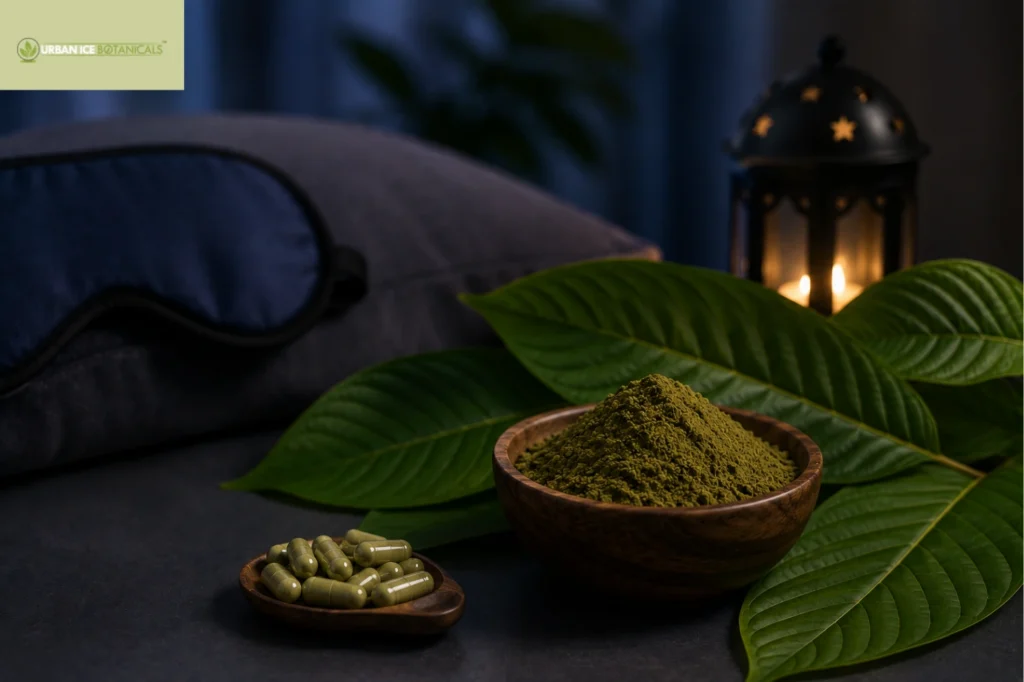
Kratom is a plant-based substance that some individuals use to manage sleep difficulties, particularly when chronic pain, anxiety, or physical discomfort interferes with rest. Its impact on sleep is highly dose-dependent. Lower doses between 1 and 5 grams act as a stimulant that increases alertness and may worsen insomnia, while higher doses between 5 and 15 grams produce sedative effects that help some users fall asleep more easily. Red vein varieties such as Red Bali, Red Borneo, Red Maeng Da, and Red Indo are among the strains most commonly associated with relaxation, pain relief, and perceived improvements in sleep quality.
Despite these benefits, kratom presents substantial safety concerns. Regular use can disrupt natural sleep architecture, reduce restorative REM sleep, and contribute to daytime fatigue. Continued consumption may lead to tolerance, physical dependence, and withdrawal-related insomnia. Risks increase for individuals with sleep apnea because kratom can suppress breathing, and combining it with alcohol, opioids, or sleep medications can cause dangerous respiratory depression. Health authorities do not approve kratom as a sleep aid, and its legal status varies by location, making medical guidance and regulatory awareness important considerations.
How Is Kratom Used for Sleep?
Kratom is used as an unapproved sleep aid and pain reliever for sleep, with consumers typically ingesting heavy doses shortly before bedtime to induce drowsiness or mitigate nighttime physical discomfort. The intake volume completely alters the outcome: small amounts of 1 to 5 grams stimulate the brain, while larger portions of 5 to 15 grams function as a central nervous system depressant to force sedation. Consumers routinely choose red vein powders, capsules, or teas to manage anxiety and chronic pain that disrupt their rest.
Despite these common applications, the plant carries severe physiological hazards. Regular consumption disrupts your natural sleep architecture, blocking restorative stages and leaving you chronically fatigued. Furthermore, the substance triggers physical dependence, meaning stopping use sparks severe withdrawal insomnia. Because heavy doses slow your respiratory rate, this drug dangerously suppresses breathing in individuals with sleep apnea and causes fatal interactions when mixed with other depressants.
Does Kratom Help or Harm Sleep?
Kratom can both help and harm sleep, and its effects depend on the dose and the individual using it. At low doses (1–5 grams), kratom acts as a stimulant, which may increase energy and alertness but often makes it more difficult to fall asleep or may worsen insomnia. In contrast, higher doses (5–15 grams) produce sedative effects that can help some people, especially those with chronic pain, fall asleep more easily. According to recent research, some users report modest improvements in sleep duration-about 13 minutes longer-particularly among adults managing ongoing pain.
Despite these potential benefits, kratom use for sleep carries significant risks. It can disrupt natural sleep cycles, leading to non-restorative or poor sleep quality. Regular use may cause tolerance, requiring higher doses to achieve the same sedative effect, and can result in dependence or withdrawal symptoms. High doses pose dangers for individuals with sleep apnea, as kratom may slow or disrupt breathing during the night. Kratom is not a recommended sleep aid due to these risks.
What Are the Effects of Kratom on Sleep?
The effects of kratom on sleep include dose-dependent stimulation, sedation, altered sleep architectures, and severe withdrawal insomnia because its active alkaloids aggressively alter central nervous system functions. At low doses of 1 to 5 grams, the plant acts as a stimulant that increases alertness and causes acute nighttime restlessness. Conversely, higher doses between 5 and 15 grams induce drowsiness and pain relief, which provides chronic pain patients a modest 13-minute increase in sleep duration. However, this sedation routinely disrupts natural sleep cycles, fracturing critical REM stages and causing daytime fatigue. Regular use triggers chemical dependence, causing severe rebound insomnia if stopped. You must analyze these volatile pharmacological shifts before using it.
Which Kratom Strains Are Most Commonly Used for Sleep?
kratom strains such as Red Bali, Red Borneo, Red Maeng Da, and Red Indo are most commonly used for sleep because their red-veined leaves carry high concentrations of 7-hydroxymitragynine, an alkaloid that triggers deep sedation and muscle relaxation at heavy doses. Evaluating the unique profiles of these variants demonstrates how individual processing methods and specific leaf genetics impact your nighttime rest.
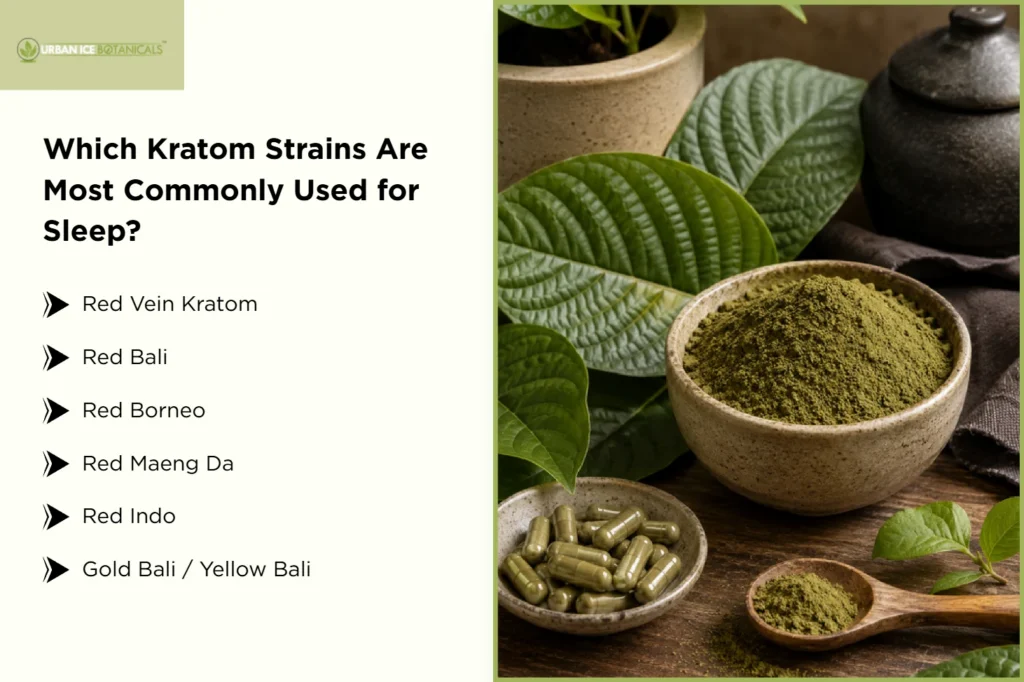
Red Vein Kratom
Strains such as Red Bali, Red Borneo, and Red Sumatra provide soothing and pain-relieving effects, making them popular options for those with sleep issues or discomfort at night. The effects of red vein kratom are dose-dependent: lower doses (1–5 grams) tend to produce stimulating effects, while higher doses (5–15 grams) are more likely to induce sedation and promote a sense of calm. Typical consumption methods include powder and capsule forms, which allow users to adjust their intake to suit their desired effects. Despite these user-reported benefits, red vein kratom carries important risks. Regular use may lead to tolerance, physical dependence, and withdrawal symptoms. Ongoing kratom use can disrupt normal sleep cycles, especially REM sleep, which may result in daytime fatigue or poor sleep quality. Side effects can include nausea, dizziness, and changes in blood pressure.
Red Bali
Red Bali is a red vein kratom strain is used for sleep and relaxation due to its calming and sedating effects. At higher doses, between 5 and 15 grams, Red Bali is provides pain relief, reduce muscle aches, and create a peaceful headspace that supports falling asleep. Many individuals with chronic pain report improved sleep duration and quality when using Red Bali at bedtime. In contrast, lower doses of Red Bali have mild stimulating effects, which could affect sleep patterns differently.
Red Borneo
Plagued by persistent sleep disorders, consumers utilize Red Borneo variety in capsule or powder form to induce rapid physical tranquility. This strain is used in the form of red kratom pills or powder. Lower doses provide mild stimulation and increased energy, while higher doses are more sedating and pain-relieving, which can help some users fall asleep more easily. Despite these potential benefits, long-term or high-dose use of Red Borneo may disrupt sleep cycles and reduce sleep quality, increasing the risk of poor sleep patterns and other side effects.
Red Maeng Da
Recognized as an exceptionally potent strain, this leaf provides intense anxiety suppression and pain management to prevent physical distress from breaking sleep. While lower doses may act as a stimulant and increase alertness, Maeng Da at higher doses tends to promote sedation, physical relaxation, and relief from pain or anxiety that can interfere with falling asleep. Research scores indicate it improves perceived sleep quality by 5.93 points on a 100-point scale
Red Indo
Sourced for its unique alkaloid profile, this Red Indo variant helps users unwind by providing immediate full-body soothing. At higher doses, Red Indo provides soothing effects and pain relief, which some individuals report helps them unwind and fall asleep, especially if they experience ongoing physical discomfort. Nighttime use of red indo is associated with modest improvements in perceived sleep quality for adults with chronic pain. Risks include disrupted sleep cycles, dependency, and withdrawal symptoms.
Gold Bali / Yellow Bali
Distinct fermentation and extended drying procedures separate these uniquely cured variants from standard red leaf options. Industry processors blend red and green leaves to manufacture Gold Bali, yielding a product that provides full-body tranquility and deep relaxation without acting as a direct sedative. Conversely, producers harvest green or white leaves to cure Yellow Bali, creating a balanced profile of mood elevation and mild energy.While both strains may help individuals unwind and prepare for rest, their effects are dose-dependent, llower doses feel mildly stimulating, while higher doses are more likely to induce sedation. Product quality and safety can vary widely, so individuals should consult healthcare professionals and review regulatory warnings before considering Gold Bali, Yellow Bali, or any kratom strain for sleep support.
How Does Kratom Affect the Brain and Sleep Patterns?
Kratom affects the brain and sleep patterns by binding to opioid and serotonin receptors, which directly alter your mood, pain perception, and sleep architecture. The active compounds, mitragynine and 7-hydroxymitragynine, act as partial agonists that shift your central nervous system between stimulation and depression depending on the size of the dose. Understanding these neurological mechanisms helps clarify how the substance can both temporarily induce drowsiness and trigger severe, long-term sleep disturbances.
- Low-Dose Stimulation: Small amounts increase your alertness and energy, actively preventing relaxation and disrupting your ability to fall asleep.
- High-Dose Depressed System: Larger doses promote relaxation and ease pain, helping some chronic pain sufferers fall asleep more quickly.
- Long-Term Systemic Adaptation: Regular or prolonged use alters your brain chemistry, building tolerance and forcing you to need higher amounts.
- Dependence and Rebound: Continual receptor exposure leads to physical dependence, causing severe withdrawal symptoms and intense insomnia if you halt use.
What Are the Potential Side Effects of Kratom Related to Sleep?
The potential side effects of kratom related to sleep include stimulant-driven insomnia, fragmented REM cycles, withdrawal sleeplessness, respiratory depression, night sweats, and liver toxicity. Because its active alkaloids aggressively disrupt the central nervous system’s natural sleep-wake architecture.
- Insomnia and restlessness: Low doses mimic stimulants, boosting your energy levels and preventing sleep onset.
- Disrupted sleep cycles (including REM): Heavy doses cause drowsiness but fracture natural sleep architectures, leaving you exhausted.
- Dependence and withdrawal insomnia: Stopping regular use triggers physical cravings and severe, multi-day nighttime waking.
- Increased risks for individuals with sleep apnea: Central nervous system depression slows breathing, worsening pre-existing respiratory issues.
- Kratom night sweats and other sleep disruptions: Toxic clearance triggers vivid dreams and excessive sweating that breaks sleep continuity.
Insomnia and Restlessness
Low intake volumes stimulate your brain chemistry and trigger immediate alertness instead of relaxation. This surge of energy actively prevents your body from winding down, making it exceptionally difficult to fall asleep or remain asleep throughout the night. Consequently, you face ruined sleep quality and ongoing restlessness.
Disrupted Sleep Cycles (Including REM)
Sedative-level doses induce a deceptive sense of drowsiness while simultaneously fracturing your internal sleep architecture. The plant’s compounds block deep REM stages, forcing you into a light, fragmented sleep state. You will wake up feeling profoundly fatigued and mentally foggy despite spending a full night in bed.
Dependence and Withdrawal Insomnia
Physical addiction forces your nervous system into severe rebound hyperexcitability the moment you stop consuming the substance. According to PubMed data, this chemical crash manifests as relentless insomnia, constant middle-of-the-night waking, and physical agitation. These sleep-shattering symptoms regularly persist for days.
Risks for Sleep Apnea Patients
High doses function as a direct central nervous system depressant that dangerously slows your respiratory rate. For individuals managing sleep apnea, this sedative effect compromises breathing patterns during the night, compounding physical health risks and worsening airway collapses.
Night Sweats and Sleep Disruptions
Thermocouple regulation fails as the body processes the plant, causing intense night sweats and hyper-vivid dreams. These physical symptoms wake you repeatedly in a state of discomfort, disrupting sleep continuity and accelerating daytime exhaustion.
What Should You Know About Kratom Withdrawal and Sleep Problems?
Kratom’s impact on sleep varies significantly by user, but regular consumption carries a high risk of dependence and severe sleep disruption upon withdrawal. While some individuals use the substance to manage sleep, health authorities warn that its complex, dose-dependent nature can easily worsen sleep problems.
- Dosage: Intake volume completely alters the biological outcome; low doses act as a stimulant that disrupts sleep patterns, whereas higher doses produce sedative effects to help you fall asleep.
- Frequency of Use: Daily or regular consumption forces the body to adapt to the substance, building a tolerance that diminishes its sleep-inducing effectiveness over time.
- Individual Health Status: Pre-existing conditions dictate your physical response; chronic pain patients might notice improved sleep from pain relief, while individuals with disorders like sleep apnea face unpredictable, risky outcomes.
- Dependence and Withdrawal: Halting abrupt use triggers an intense 3 to 7-day wave of acute physical distress, including anxiety, excessive sweating (diaphoresis), and diarrhea.
What Factors Influence Kratom Effects on Sleep?
The factors affecting the impact of kratom on sleep include dosage levels, vein colors, product purity, consumption timing, user tolerance, existing sleep disorders, withdrawal severity, substance interactions, sleep pattern variations, and individual biology because these elements collectively dictate whether the herb acts as a sleep-disrupting stimulant or an unpredictable sedative.
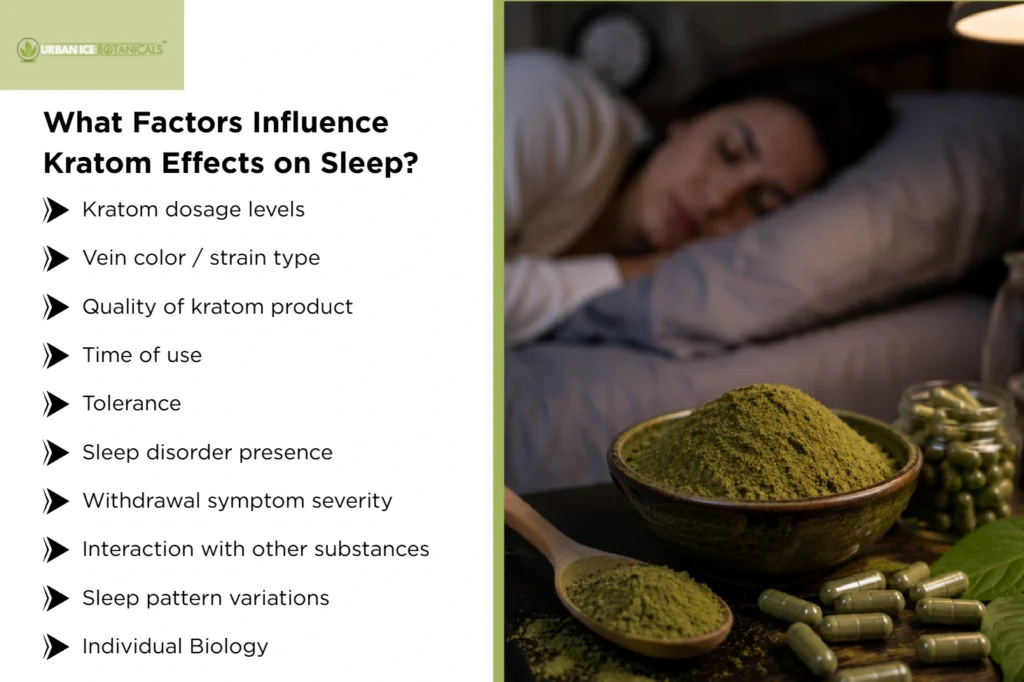
10 factors affecting kratom effects on sleep includes:
- Kratom dosage levels: Low amounts stimulate the nervous system, while higher doses induce sedation.
- Vein color / strain type: Red strains promote calming effects, whereas white and green variants increase alertness.
- Quality of kratom product: Contaminated or unverified items trigger erratic side effects due to fluctuating alkaloid profiles.
- Time of use: Ingesting this substance close to bedtime alters sleep onset depending on the dose.
- Tolerance: Frequent consumption forces users to increase amounts to achieve the same sedative outcomes.
- Sleep disorder presence: Underlying conditions like sleep apnea worsen because the herb suppresses nocturnal breathing.
- Withdrawal symptom severity: Halting regular consumption triggers 3 to 7 days of acute insomnia and body aches.
- Interaction with other substances: Mixing the herb with alcohol or prescription sleep aids causes fatal respiratory failure.
- Sleep pattern variations: Pre-existing irregular schedules alter how your body processes the drug’s disruptive cycles.
- Individual Biology: Females metabolize the active compounds more slowly than males, creating longer-lasting sedation.
Kratom Dosage Levels
Intake volume dictates the biological outcome because the human body processes the plant’s compounds as either a stimulant or a sedative, depending entirely on the amount ingested. Taking a small dose of 1 to 5 grams boosts alertness and triggers immediate restlessness. Conversely, consuming a heavy dose between 5 and 15 grams shifts the body into a sedated state. Exceeding these metrics leads to toxic responses and immediate sleep fragmentation.
Vein Color / Strain Type
Leaf genetics control your physical reaction by altering the precise alkaloid concentrations that hit your receptors. Opting for red-vein varieties like Red Bali or Red Sumatra delivers muscle relaxation and nighttime calm. White and green options do the opposite by providing a surge of daytime energy that helps prevent your mind from shutting down at night.
Quality of Kratom Product
Manufacturing purity determines your physiological response by drawing a hard line between a clean dose and toxic, unpredictable contaminants. Lab-tested, pure batches deliver predictable outcomes. Conversely, cheap alternatives often contain hidden heavy metals or inconsistent alkaloid levels that cause unexpected toxic reactions because the FDA does not monitor these supplements.
Time of Use
Circadian alignment governs your sleep architecture because consuming alkaloids too close to bedtime forces active stimulants to clash with your natural winding-down process. Ingesting a large dose 40 to 80 minutes before bed allows the sedative peak to help you drop off. Drinking a low dose late at night guarantees insomnia, while afternoon usage thoroughly disrupts your normal circadian rhythm.
Tolerance
Neurological adaptation rapidly diminishes the herb’s original sedative effect as your brain receptors desensitize to repeated exposure to the alkaloid. Using this supplement more than twice a week forces you to constantly scale up your intake to get sleepy. This dangerous escalation increases your risk of chemical dependency and severe side effects.
Sleep Disorder Presence
Pre-existing conditions fundamentally alter how your brain chemistry interacts with sedatives, often exacerbating underlying physiological vulnerabilities. For instance, the deep sedative properties dangerously suppress breathing patterns in sleep apnea sufferers, compounding your physical risks during the night. Furthermore, the herb disrupts normal sleep stages, making conditions like chronic insomnia worse over time.
Withdrawal Symptom Severity
Nervous system rebound hyperexcitability shatters your sleep quality once regular consumption stops and the body struggles to find equilibrium. Halting heavy use cold turkey sparks an intense 3 to 7-day wave of acute physical distress. Users experience diaphoresis, diarrhea, muscle cramping, and severe rebound insomnia. For some, post-acute withdrawal syndrome (PAWS) stretches these sleep disturbances out for months.
Interaction with Other Substances
Chemical compounding intensifies central nervous system depression to toxic levels when multiple sedative agents hit your receptors simultaneously. Mixing this herb with prescription sleep aids, opioids, or alcohol causes synergistic sedation, which slows your heart rate and induces fatal respiratory failure. Never blend this supplement with other medications.
Sleep Pattern Variations
Baseline internal clocks dictate your vulnerability to sleep fragmentation by shaping how your body responds to disruptions of critical sleep cycles. People with established, healthy sleep patterns experience different outcomes than those with historically fractured rest. The herb routinely limits critical REM sleep, leaving you exhausted despite a slight increase in total sleep time.
Individual Biology
Unique genetics, biological sex, and metabolic speed govern how rapidly your liver filters active alkaloids. Females process the main compound mitragynine at a slower rate, meaning they feel the sedative impacts longer. Meanwhile, adults managing chronic pain experience distinct sleep extensions compared to healthy users due to the substance’s pain-relieving properties.
What Else Should You Know About Using Kratom for Sleep?
You should know that kratom’s effects on sleep are highly unpredictable and dose-dependent. At lower doses, it acts as a stimulant that increases alertness and causes insomnia. While higher doses produce sedative effects, they disrupt natural sleep architecture, including REM sleep, leading to ongoing fatigue and poor sleep quality. Using kratom for sleep carries severe risks of physical dependence, addiction, and withdrawal symptoms like restlessness. It causes side effects, including nausea, constipation, high blood pressure, and liver toxicity. Combining kratom with alcohol or prescription sleep medications creates dangerous interactions. The FDA warns against its use, and local laws vary by state. Consult a healthcare provider and check local regulations before considering kratom, as it is neither safe nor effective for sleep.
How Safe Is Kratom for Sleep?
Kratom is not considered safe for sleep because its unpredictable effects carry high risks of addiction, organ toxicity, and disrupted sleep cycles. While some people use it to manage sleep issues, health authorities warn against this practice. At low doses, kratom acts as a stimulant, causing insomnia and making it harder to fall asleep. Higher doses cause drowsiness and disrupt natural sleep cycles by suppressing restorative REM sleep, leaving you feeling unrested the next day. Regular use increases the risk of dependence, and withdrawal frequently triggers severe restlessness. Furthermore, combining kratom with alcohol, opioids, or prescription sleep medications causes dangerous interactions, while studies link use to liver toxicity and seizures.
What Are the Legal and Regulatory Considerations?
The FDA does not approve kratom for any medical use, making it illegal to market the substance as a sleep aid. While federal agencies warn against its use due to abuse risks, the DEA classifies kratom as a “drug of concern” rather than a federally scheduled substance. Consequently, its legal status varies widely across the United States. Several states and municipalities ban kratom entirely, while others regulate its sale. For example, Georgia permits sales to adults aged 21 and older, but states like Alabama, Arkansas, Indiana, Rhode Island, Vermont, and Wisconsin have banned it. Always check local laws before purchasing.