Skip to main content


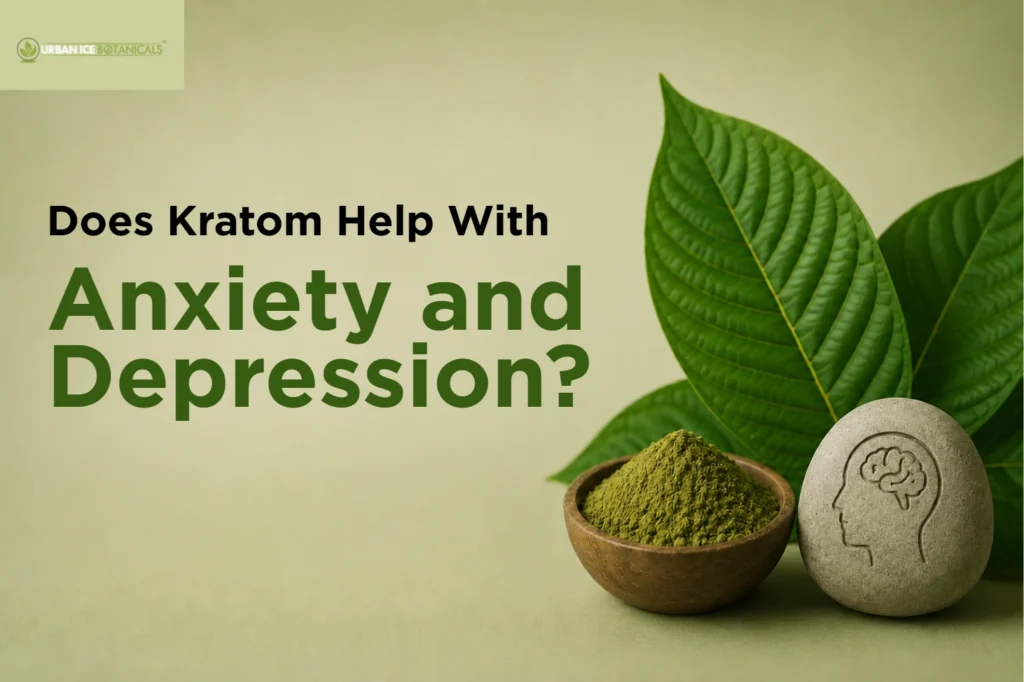
Kratom helps with anxiety and depression on a short-term basis by binding its active alkaloids, mitragynine and 7-hydroxymitragynine, to the brain’s opioid, serotonin, and dopamine receptors to temporarily alter mood and emotional regulation. This botanical produces highly volatile, dose-dependent outcomes where low doses (1–5 grams) of white or green strains stimulate the central nervous system to mask depressive lethargy, while higher doses (5–15 grams) of red, yellow, or gold varieties deliver sedative, opioid-like relaxation to blunt acute panic.
However, long-term reliance on this unregulated substance introduces severe physiological liabilities by disrupting your baseline neurochemical balance over time. Continuous receptor exposure ultimately forces nervous system adaptations that lead to deep emotional flatness, physical dependence, liver toxicity, and severe psychiatric risks like seizures or delusions. Because factors such as individual metabolism and co-occurring substance use heavily dictate these toxic thresholds, health organizations like the FDA emphasize that its safety remains unproven, warning that halting consumption abruptly triggers a harsh withdrawal period marked by intense rebound anxiety and profound psychological distress.
How Kratom Affects Depression and Anxiety?
Kratom affects depression and anxiety by interacting with opioid, serotonin, and dopamine receptors in the brain. Its active compounds, mitragynine and 7-hydroxymitragynine, bind to these receptors and directly influence mood, stress response, and emotional regulation. The result is highly dose-dependent: low doses stimulate, higher doses sedate. While some users report short-term mood relief, there is no scientific consensus supporting kratom as a safe or effective treatment for either condition. Major health organizations, including the Mayo Clinic, warn it is not approved for mental health use and may worsen symptoms or cause neurochemical disruption over time.
- At low doses (1–5 grams), kratom stimulates the central nervous system, increasing energy, alertness, and sociability. Some users report this helps lift mood and ease mild depressive symptoms.
- At higher doses (5–15 grams), kratom produces sedative, opioid-like effects. Users seeking anxiety relief often use it at this range for its calming and relaxing properties. Effects onset within 5 to 10 minutes and typically last 2 to 5 hours.
- Receptor binding triggers changes in dopamine and serotonin pathways, which are directly tied to mood regulation.
- Long-term or chronic use disrupts the brain’s natural neurochemical balance. This leads to emotional flatness, increased irritability, rebound anxiety, and worsened depressive symptoms over time.
What Is Kratom and How Is It Used?
Kratom is a herbal substance derived from the leaves of the Mitragyna speciosa tree, which is native to Southeast Asia. The plant’s leaves contain psychoactive alkaloids, primarily mitragynine and 7-hydroxymitragynine, that interact with opioid receptors in the brain to influence mood, pain perception, and energy levels. People consume kratom in forms such as powder, capsules, extracts, tea, and edible products. Some individuals use kratom for self-management of depression, anxiety, pain, or fatigue, although it is not approved by the FDA for any medical use.
- White Borneo kratom use
Consumers use this strain at lower doses to manage depression and mild anxiety, benefiting from its euphoric and focus-enhancing qualities. Its balanced stimulating properties make it a popular daytime alternative to coffee, helping elevate motivation and social confidence without intense jitteriness. Effects are highly dose-dependent, so users typically adjust their intake to find their preferred balance between stimulation and relaxation. - Borneo kratom use
Individuals turn to this Southeast Asian strain to reduce stress, calm hyperarousal, and quiet negative mental rumination. Low doses produce mild stimulation and sociability, while higher doses shift toward sedation and temporary pain relief. Some use it for short-term anxiety or mood relief, though rebound symptoms and health risks associated with unregulated consumption remain a concern. - Red kratom use
People select this red-veined variety to address physical discomfort, reduce severe anxiety, and encourage deep nighttime relaxation. Its potent calming and sedative properties set it apart from green- and white-vein types, making it the preferred choice for pain management and winding down. - Green vein kratom use
Consumers use this variant for a moderate, balanced approach to mood and anxiety support without triggering overstimulation or heavy sedation. It helps calm hyperarousal, reduce rumination, and improve sociability while preserving daily functioning, making it a middle-ground option between the energizing effects of white strains and the deep calm of red strains. - Medical use of kratom
Some people who use kratom report benefits such as anxiety relief, mood enhancement, and increased sociability, but these effects are based on personal experience and are not supported by clinical trials. Kratom’s effects are thought to relate to its interaction with brain receptors involved in mood and stress regulation.
Which Kratom Strains Are Most Commonly Used for Anxiety?
Kratom strains commonly used for anxiety include Red Vein varieties like Red Bali, Red Borneo, Red Maeng Da, and Red Indo, along with processed Yellow and Gold strains. These selections feature specific sedating alkaloid structures that bind to opioid and serotonin receptors to blunt hyperarousal, quiet racing thoughts, and promote artificial relaxation.
Red vein kratom
Red vein kratom serves as a highly sedating and calming category within the Mitragyna speciosa spectrum, specifically sought after by individuals looking to ease acute anxiety, counter severe depressive episodes, and force restful sleep at bedtime. Red vein variations contain a chemical layout that provides prominent pain relief alongside its mental calming properties, making it attractive to those managing chronic physical discomfort alongside mood symptoms. Despite these benefits, red vein kratom is not approved by the FDA for treating depression, anxiety, or any mental health condition. the use of red vein kratom for mental health is limited, and long-term use may worsen psychiatric symptoms or lead to severe side effects.
Red Bali Kratom
Red Bali kratom stands out as a primary choice for users chasing intense relaxing, sedating, and stress-relieving sensations to blunt anxious thoughts and temporarily lift a depressed mood. Red Bali kratom is often discussed in mood and relaxation contexts, but PMC10379209 establishes that while this strain delivers potent sedative effects via its unique alkaloid ratios, it lacks clinical validation and presents a risk of severe addiction and adverse psychiatric side effects.
Red Borneo Kratom
Red Borneo Kratom acts directly on hyperarousal and mental rumination to temporarily reduce social anxiety and elevate a depressive mood within 5 to 10 minutes of ingestion, with effects lasting anywhere from 3 to 10 hours. The FDA rejects this strain for any medical purpose, warning that self-treating emotional distress with Red Borneo introduces significant safety liabilities like sudden liver toxicity and severe chemical dependency.
Red Maeng Da Kratom
Red Maeng Da kratom utilizes a highly dense concentration of mitragynine and 7-hydroxymitragynine to deliver potent, dose-dependent anxiety relief by slowing down racing thoughts and restoring a sense of balance. In this context, Red Maeng Da kratom is often associated with mood support, but lower doses may provide only a brief spark of focus, while higher doses can trigger heavy sedation and major health hazards such as physical seizures and severe addiction.
Red Indo Kratom
Red Indo Kratom leverages a high alkaloid profile to alter serotonin and dopamine receptors, providing users with gentle mood elevation, emotional stability, and non-stimulating anxiety reduction. Despite providing a temporary sense of calm, this strain lacks sufficient clinical evidence and causes severe liver damage, profound physical addiction, and unpredictable dose-dependent psychiatric side effects.
Yellow / Gold Kratom
Yellow and Gold strains do not grow naturally but are produced through specialized drying and fermentation of red, green, or white leaves. This unique processing is designed to alter the leaves’ alkaloid profile, resulting in products marketed as offering a balanced combination of energizing and relaxing effects. Marketing claims advertise these variants as a middle-ground remedy for depression, anxiety, and lethargy by promising a mild mood lift, gentle mental clarity, and stress relief without triggering heavy drowsiness. However, scientific evidence confirms that kratom’s actual biological effects are strictly dose-dependent rather than strain-dependent, meaning low doses can actively provoke or worsen severe panic attacks. Furthermore, Yellow and Gold options present dangerous post-consumption rebound effects, including extreme fatigue, intense mood swings, and amplified depression once the initial chemical surge wears off.
Which Kratom Strains Are Most Commonly Used for Depression?
Kratom strains commonly used for depression include Green Vein varieties like Green Malay, Green Maeng Da, and Green Thai, alongside White Vein options such as White Maeng Da and White Thai, because these specific variations contain alkaloid profiles that stimulate neurotransmitter pathways to temporarily mask lethargy, low motivation, and acute panic. Unregulated self-treatment alters brain chemistry via mu-opioid and serotonin receptors, creating a fragile emotional baseline that easily collapses into physical dependence or severe rebound anxiety.
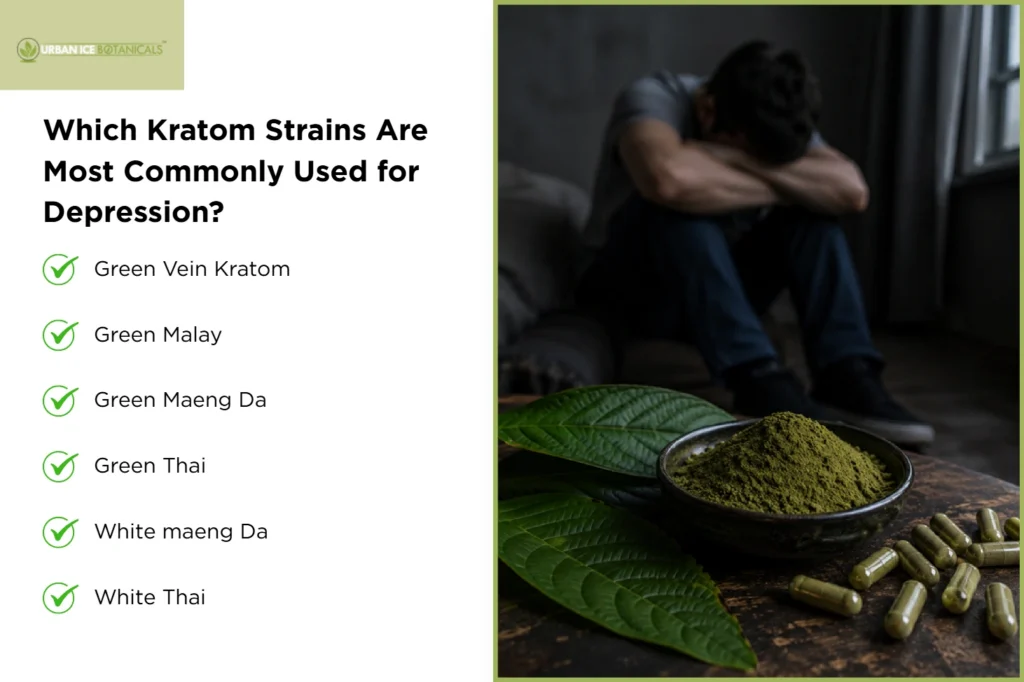
Green Vein Kratom
Green Vein Kratom serves as a middle-ground botanical option, balancing the intense stimulation of white leaves with the heavy sedation of red varieties. Self-treatment users select this category to elevate mood, reduce social anxiety, and gain gentle energy without inducing immediate drowsiness or overstimulation. Green strains provide subtle well-being enhancements that combat depressive fatigue, calm hyperarousal, and halt the mental rumination common in anxiety disorders.
Green Malay
Green Malay delivers a smooth emotional baseline that enhances mood, increases mental clarity, and provides gentle energy to support daily functioning without causing overstimulation. The FDA warns that this strain is unproven for mental health management, and users face strict physiological risks like nausea, dizziness, and rare liver toxicity.
Green Maeng Da
Green Maeng Da offers a temporary mood lift, increased sociability, and a prompt boost in energy to alleviate severe depressive apathy. This strain carries a volatile biphasic nature where low doses stimulate but high doses cause deep sedation, presenting a high risk of a rebound worsening of anxiety symptoms once the alkaloids wear off.
Green Thai
Green Thai relies on its primary active alkaloid, mitragynine, to engage opioid and serotonin receptors, providing a non-sedating blend of alertness and motivation that lasts up to 6 hours. Ingesting low doses of 1 to 5 grams yields clean stimulation to combat lethargy, whereas exceeding this amount shifts the drug into a sedative outcome that causes drowsiness.
White maeng Da
White Maeng Da utilizes high concentrations of mitragynine and 7-hydroxymitragynine to force psychoactive changes in the brain’s docking stations. This strain targets depressive fatigue by delivering an immediate, temporary spike in alertness, focus, and sociability. However, because product purity is entirely unregulated, the highly energizing properties of White Maeng Da frequently backfire, severely worsening baseline panic and anxiety symptoms over time. Medical authorities strongly advise against using this strain because its unpredictable potency spikes your exposure to severe physical dependence and hazardous drug interactions.
White Thai
Ingesting low doses of White Thai, 1 to 5 grams, yields clean energy, intense focus, and mild euphoria to counter a complete lack of motivation. Scaling your intake up to a heavy 5 to 15 grams forces a sedative reaction that users employ to blunt severe anxiety. The FDA explicitly rejects White Thai for depression management due to a lack of clinical validation and high dependency profiles. Relying on this strain to alter alertness and mood creates an unpredictable chemical environment in your nervous system.
How Does Kratom Affect Depression and Anxiety?
Kratom affects depression and anxiety by binding its primary alkaloids, mitragynine and 7-hydroxymitragynine, to your brain’s opioid, serotonin, and dopamine receptors to alter emotional regulation. Low doses stimulate your nervous system within minutes, delivering a temporary mood lift, increased alertness, and sociability to counter depressive fatigue. In contrast, higher doses switch to a sedative mechanism, inducing relaxation and euphoria that self-treatment users rely on to dull acute panic and stress.
However, chronic high-dose consumption severely threatens your mental health by disrupting your baseline neurochemical balance over time. This continuous exposure eventually triggers emotional flatness, heightened irritability, and deeper depressive symptoms rather than relieving them. Because stopping abruptly causes severe withdrawal marked by extreme mood instability and rebound anxiety, official regulatory warnings advise against using kratom for psychiatric conditions.
How Does Kratom Work in the Brain and Body?
Kratom works in the brain and body by deploying its active alkaloids, mitragynine and 7-hydroxymitragynine, to bind with mu-opioid receptors and alter neurotransmitters like dopamine, serotonin, and norepinephrine. At low doses of 1 to 5 grams, these compounds stimulate the central nervous system, boosting alertness, focus, and sociability. Conversely, higher doses deliver a sedative, opioid-like effect that temporarily dulls physical pain and filters out intense anxiety, which prompts many individuals to use the botanical for self-managing depression.
Howver, it is not an approved treatment for depression or anxiety. Using this unapproved substance carries severe physiological risks, including rapid dependence, harsh withdrawal, and toxic side effects.
What Factors Influence Kratom’s Effects for Depression and Anxiety?
The factors affecting the kratom’s effect for depression and anxiety include strain variations, dosage levels, patient mental health status, symptom severity, duration of use, co-occurring substance use, individual metabolism rates, and psychological stress factors because these variables collectively dictate how your brain chemistry and central nervous system respond to the plant’s active alkaloids.
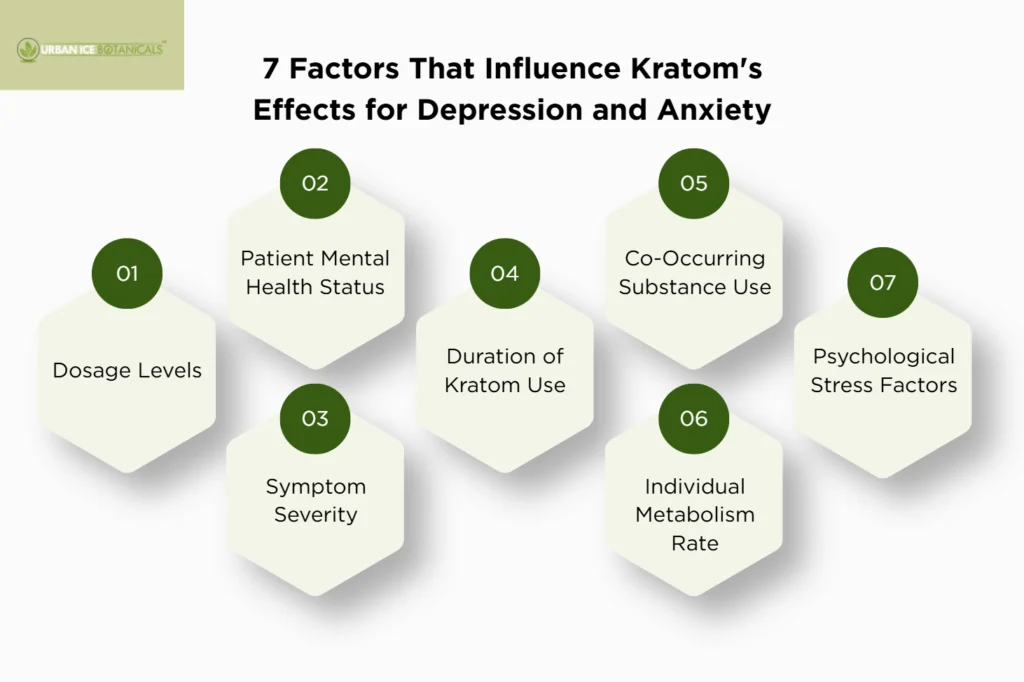
7 Factors That Influence Kratom’s Effects for Depression and Anxiety Are :
Kratom Strain Variations: Vein colors possess distinct alkaloid balances that dictate whether a batch calms hyperarousal or triggers overstimulation.
- Dosage Levels: The total volume ingested determines if the botanical acts as an energizing stimulant or a sedating opioid-like downer.
- Patient Mental Health Status: Pre-existing psychiatric conditions actively shape your risk profile and alter how the brain handles external alkaloids.
- Symptom Severity: The intensity of your baseline panic or despair directly drives your consumption volume and increases toxicity risks.
- Duration of Kratom Use: Long-term daily intake reshapes your neural pathways until natural emotional regulation becomes entirely dependent on the herb.
- Co-Occurring Substance Use: Mixing this botanical with clinical pharmaceuticals or alcohol triggers unpredictable, life-threatening chemical interactions.
- Individual Metabolism Rate: Personal liver enzyme speed controls how long active compounds circulate in your bloodstream before clearing out.
- Psychological Stress Factors: High environmental pressure actively blunts the plant’s mood-lifting capabilities while accelerating physical tolerance.
Kratom Strain Variations
Vein color determines the specific alkaloid profile and subsequent emotional effect on your mental health. Red vein varieties calm hyperarousal and ease muscle tension, green vein balances mild stimulation with stress relief, and white vein energizes your system to counter depressive fatigue. Selecting the wrong strain changes your biological response entirely and can actively worsen the very depression or anxiety symptoms you are targeting.
Dosage Levels
Low doses of 1 to 5g boost alertness, increase sociability, and provide clean energy to combat depressive lethargy. Conversely, high doses of 5 to 15g produce powerful opioid-like sedation that temporarily dulls panic, acute anxiety, and physical pain. The biological outcome shifts completely based on the volume consumed, meaning a minor measurement error fundamentally alters the psychological impact.
Patient Mental Health Status
Your pre-existing brain chemistry dictates your overall risk profile when introducing external mood-altering substances. Individuals with underlying psychiatric conditions face a specific 4% chance of developing acute paranoia, dissociation, or severe delusions. This herb frequently masks clinical imbalances rather than treating the root cause, which ultimately delays proper medical care and worsens underlying mood disorders over time.
Symptom Severity
The intensity of your emotional pain directly influences how much powder you consume. Chasing rapid relief from extreme panic attacks forces you into high, toxic dosing brackets that destabilize your cardiovascular system and provoke severe neurological side effects.
| Baseline Distress Level | Dosing Pattern | Secondary Physical Risks |
| Severe Panic or Deep Depression | Driven toward heavy sedative doses (5 to 15g) for fast relief | Induces physical toxicity, causing debilitating headaches in nearly 20% of users and dangerous blood pressure spikes |
Duration of Kratom Use
Consistent daily use over months forces the central nervous system to adapt structurally to the constant presence of mitragynine. This adaptation stops your brain from managing anxiety naturally, making your mood regulation dependent on the substance. Halting consumption completely triggers 3 to 7 days of acute withdrawal marked by severe rebound insomnia, violent muscle tremors, and profound hopelessness.
Co-Occurring Substance Use
Combining this herb with commercial antidepressants, alcohol, or prescription sedatives produces highly volatile chemical interactions inside the body. These compounding effects can cause sudden respiratory failure or fatal cardiac arrest. Statistics reveal that nearly one-third of chronic users manage multiple substance disorders simultaneously, creating a severe 18-fold increase in opioid-related complications.
Individual Metabolism Rate
Your liver’s specific enzyme activity determines the rate at which mitragynine clears from your bloodstream. Slow metabolizers face a high risk of alkaloid accumulation, leading to accidental over-sedation, intensified depression, and toxic liver injury. Fast metabolizers experience a rapid therapeutic onset followed by a sharp emotional crash, a volatile cycle that drives frequent, compulsive redosing.
Psychological Stress Factors
Sustained external pressure actively undermines the plant’s mood-lifting effects while accelerating your biological tolerance. Using the herb as an emotional crutch to dodge life stressors delays necessary lifestyle interventions and lifestyle coping mechanisms. This reliance ultimately backfires during off-periods, intensifying withdrawal symptoms into acute panic attacks and severe gastrointestinal distress.
Should You Use Kratom for Depression or Anxiety?
You should not use kratom for treating depression or anxiety because its temporary ability to numb emotional pain carries catastrophic long-term risks to your mental and physical health. The plant’s active compounds bind directly to your brain’s opioid receptors, creating a volatile cycle of chemical dependence that alters neurotransmitter levels and triggers severe rebound crashes.
As the substance wears off, your brain experiences an immediate chemical deficit that actively deepens depressive episodes and intensifies baseline anxiety. Your neurological system adapts to the alkaloids exceptionally fast, forcing you to constantly increase your dosage to achieve the same emotional numbness, which spikes your risk of physical and psychological addiction. Halting consumption shocks your nervous system into acute hyperexcitability, triggering intense mood swings, hostility, tremors, nausea, and severe insomnia. Because this herbal supplement completely lacks regulatory oversight, commercial products often suffer from inconsistent alkaloid concentrations or heavy metal contamination, which can cause liver injury, seizures, high blood pressure, and respiratory failure.
What Are Other Purported Benefits of Kratom?
The benefits of kratom include energy enhancement, pain relief, mood elevation, withdrawal mitigation, fatigue reduction, and sleep support because its active alkaloids interact directly with your brain’s opioid, serotonin, and dopamine receptors. While users frequently seek these physical and psychological effects for self-management, federal authorities emphasize that none of these outcomes are clinically validated or FDA-approved.
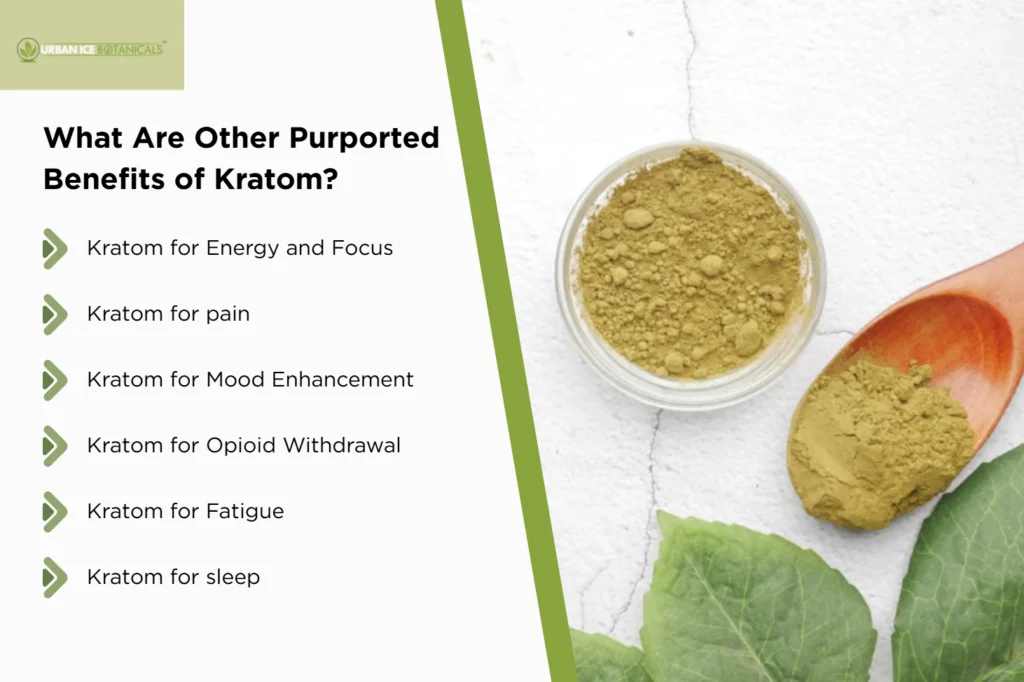
- Kratom for Energy and Focus
Ingesting low doses of this plant stimulates your nervous system, increasing alertness, sharpening mental clarity, and providing a temporary surge of motivation. Roughly 7% to 10% of consumers use this stimulating response as a productivity tool or a coffee alternative to boost daily functioning. - Kratom for pain
Heavy alkaloid concentrations bind directly to your mu-opioid receptors to alter pain perception and induce muscle relaxation. Many individuals self-treat debilitating muscle aches and chronic discomfort with heavy doses, though medical agencies warn this method creates a high risk of chemical dependency. - Kratom for Mood Enhancement
The herb alters your dopamine and serotonin pathways to trigger mild euphoria, decrease negative thoughts, and improve social confidence. This emotional stabilization calms hyperarousal and halts toxic mental rumination, but the temporary relief often gives way to sudden, severe mood instability. - Kratom for Opioid Withdrawal
Individuals navigate acute detox by utilizing mitragynine to satisfy brain receptors and suppress severe physical cravings, nausea, and sweating. Despite user reports of immediate comfort, the Mayo Clinic strictly warns that substitution merely replaces your original addiction with a new dependence. - Kratom for Fatigue
Small intake volumes provide a rapid, non-clinical physical boost that helps your body combat exhaustion and maintain alertness. WebMD data confirm that this energizing effect occurs only at low thresholds, whereas increasing your intake completely reverses the effect, producing a calming effect. - Kratom for sleep
Consuming large quantities shifts the plant’s effects toward a central nervous system depressant, inducing heavy drowsiness and relaxation. Chronic pain sufferers report significant improvements in perceived nighttime comfort, yet regular use routinely fractures your underlying sleep architecture.
What Else Should You Know About Kratom for Depression and Anxiety?
You should know about kratom for depression and anxiety, as federal health agencies strongly warn against its use due to a total lack of clinical evidence supporting its safety or effectiveness. The plant’s psychoactive alkaloids, mitragynine and 7-hydroxymitragynine, bind to your brain’s opioid receptors, producing highly volatile, dose-dependent effects. While low doses act as an energizing stimulant and higher doses induce temporary calmness, the FDA and Mayo Clinic confirm that regular use triggers physical dependence, liver toxicity, seizures, and substance use disorders. Furthermore, the substance interacts dangerously with prescription antidepressants and aggressively worsens your baseline mental health, causing deeper episodes of depression, intense irritability, and severe fatigue during withdrawal periods.
What Are the Potential Side Effects and Risks?
The side effects and risks of kratom for anxiety and depression include brain chemistry disruption, mood instability, physical toxicity, and severe psychiatric breaks because the unregulated plant aggressively alters neurotransmitter function. Self-treating emotional disorders with this substance creates a toxic rebound effect that actively worsens your baseline mental health over time.
The side effects and risks of kratom for anxiety and depression are :
- Brain Chemistry Disruption: Continuous receptor exposure alters your natural neural pathways, which ultimately deepens depressive states and intensifies baseline anxiety.
- Mood Instability: Short-term usage triggers rapid mood swings, persistent irritability, and emotional numbness rather than stable emotional relief.
- Severe Psychiatric Breaks: Heavy doses provoke dangerous mental health crises, including vivid hallucinations, delusions, and full psychosis.
- Physical Toxicity: Systemic ingestion causes immediate nausea, dizziness, liver toxicity, high blood pressure, and potentially fatal seizures.
- Withdrawal Psychological Distress: Halting consumption forces the nervous system into a chemical crash, sparking panic attacks, intense anxiety, and total hopelessness.
How Should You Use Kratom Safely?
You should use kratom safely by acknowledging its severe psychological liabilities and avoiding abrupt discontinuation when attempting to self-treat mood shifts, anxiety, or depression. While individuals seek emotional relief from various strains, regular consumption actively triggers erratic mood swings and deepens depressive states. Quitting cold turkey spikes your risk of immediate relapse and severe withdrawal distress. Instead, safeguard your mental health by executing a gradual intake reduction or seeking direct medical supervision. Because different red and green vein varieties all carry dangerous adverse effects. For more information on adverse effects, refer to the risks section or consult professional resources for support.