Skip to main content


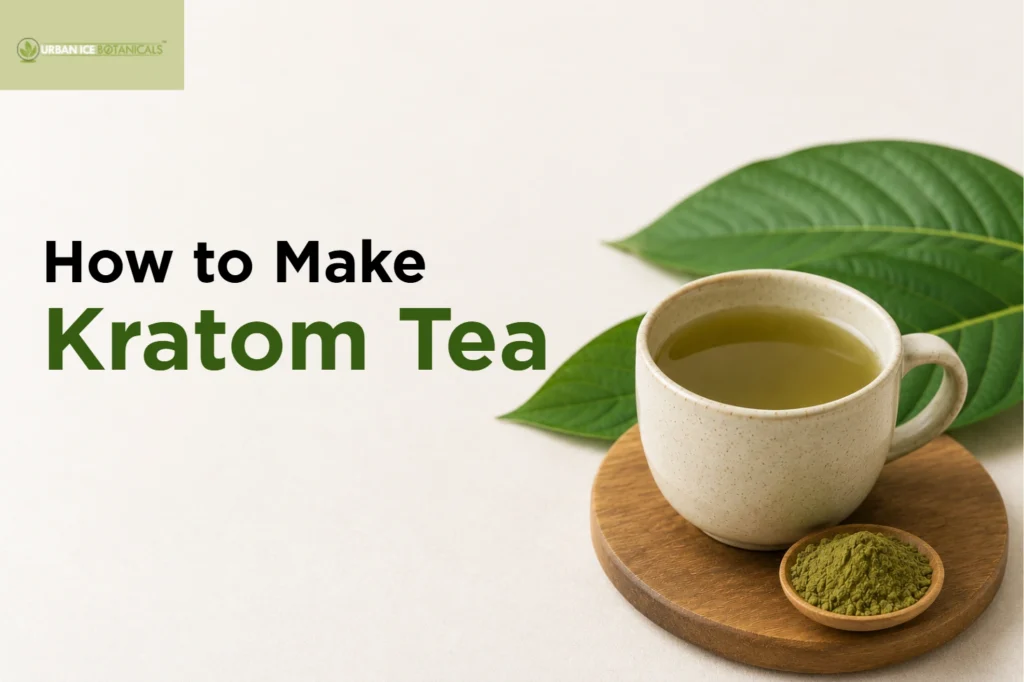
Prepare a kratom tea by measuring 2 to 4 grams of kratom powder or 2 to 5 grams of crushed leaves and combining it with 1.5 to 2 cups of hot water. Allow the water to cool slightly after boiling, keeping it between 150°F and 190°F to protect delicate alkaloids. Add one tablespoon of lemon or lime juice to increase solubility, and stir the mixture thoroughly to distribute the plant material evenly. Optional flavorings such as honey, sugar, or ginger can be included to mask bitterness and improve taste. Let the tea steep for 10 to 20 minutes, depending on the leaf form, then strain using a fine mesh or coffee filter for a smooth beverage.
Consume the tea slowly and store any leftovers in opaque, airtight containers in the refrigerator for up to a week, preserving both freshness and alkaloid potency. Proper measurement, controlled temperature, and careful steeping ensure a safe, consistent, and effective kratom experience.
What Ingredients and Tools Do You Need to Make Kratom Tea?
To make kratom tea, you need 2 to 4 grams of kratom powder or dried leaves, 1.5 to 2 cups of water, 1 tablespoon of lemon or lime juice, a small saucepan, a strainer or coffee filter, and a mug or heat-resistant container. Kratom provides the active alkaloids, while water serves as the brewing base. The acidic lemon or lime juice acts as a crucial extraction agent, breaking down plant matter and effectively releasing those alkaloids. You can also include optional flavorings like honey, sugar, agave, cinnamon, or a regular tea bag to mask the plant’s natural bitterness and improve the overall taste.
Ingredients
Preparing an effective and drinkable beverage requires balancing the raw plant material with liquid bases, acidic extraction catalysts, and optional flavor-masking elements.
- Premium kratom powder: Preparing an effective, drinkable beverage with kratom powder requires balancing the raw plant material with liquid bases, acidic extraction catalysts, and optional flavor-masking agents.
- Hot water: Heated water extracts beneficial compounds, but you must let the boiled water cool slightly beforehand to protect the alkaloids from heat damage.
- Lemon juice (Optional): Adding a single tablespoon of citrus juice uses its natural acidity to increase alkaloid solubility while cutting the herbal bite.
- Honey, Sugar, or Other Sweetener (Optional): Stirring in your choice of sweetener coats the palate, helping reduce natural bitterness and making the fluid taste sweeter.
- Ginger (Optional): Dropping fresh, sliced root into the simmering pot adds a warm, spicy flavor profile that can help safely suppress immediate nausea.
- Ice (Optional): Tossing frozen cubes into your finished cup rapidly lowers the temperature, creating a refreshing, chilled alternative beverage.
Tools
Using the correct culinary equipment allows you to precisely heat your liquids, accurately measure doses, and control the drink’s final texture.
- Kettle or saucepan: This essential vessel allows you to heat your water evenly and safely simmer the raw ingredients together.
- Measuring spoon or kitchen scale: Using a precise weighing device ensures a safe, consistent serving size rather than an unpredictable, estimated amount.
- Heat-safe cup: You need a durable glass or ceramic mug that withstands high temperatures during the intense steeping phase without cracking.
- Spoon: Agitators are required to vigorously stir the hydrophobic powder so that it distributes uniformly throughout the hot liquid base rather than clumping.
- Filter (Optional): Passing the fluid through cheesecloth or a fine-mesh screen creates a smooth texture, though you can skip this step to swallow the powder for maximum potency.
- Second cup or bowl (Optional): Having a backup container ready provides a clean place to collect and catch the strained liquid during the filtration step.
What Are the Steps to Make Kratom Tea?
The steps to make kratom tea include gathering your brewing equipment, managing water temperature, measuring precise dosages, extracting active alkaloids via steeping, and tailoring the texture or flavor to your preference. Following each stage carefully ensures a consistent, predictable, and enjoyable herbal beverage.
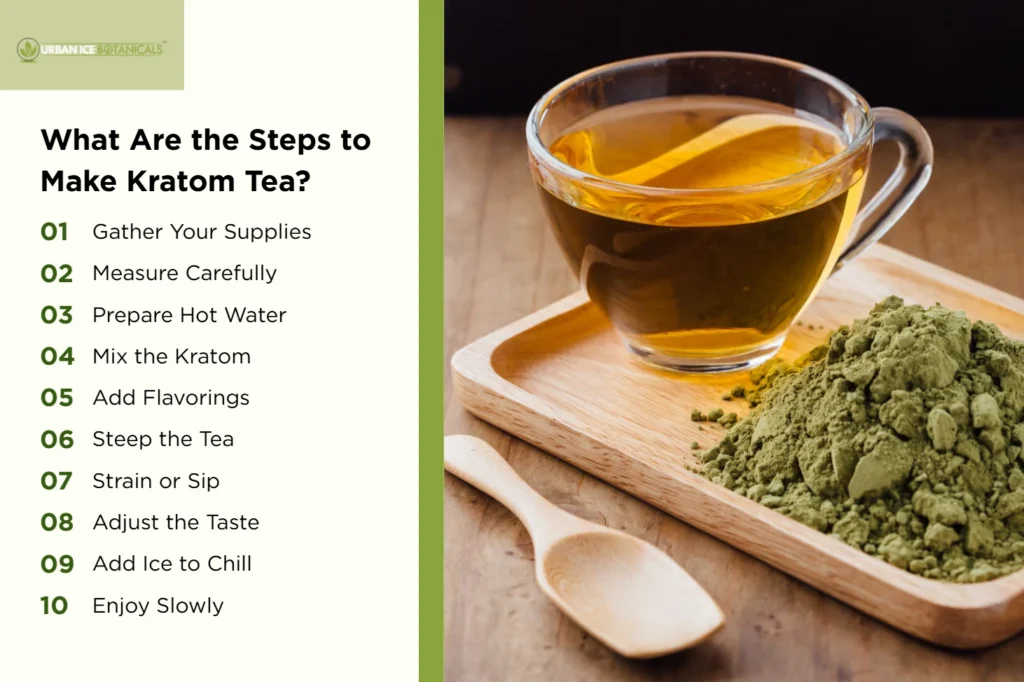
The 10 steps to make kratom tea include:
- Gather Your Supplies: Having your raw powder, heated water, mug, spoon, and masking ingredients ready beforehand streamlines the entire preparation process.
- Measure Carefully: Using a digital kitchen scale prevents unpredictable beverage potency and helps protect against accidental overconsumption.
- Prepare Hot Water: Letting boiling water sit for five minutes lowers the temperature enough to preserve delicate active plant compounds.
- Mix the Kratom: Combining the powder directly with hot liquid allows the water to immediately begin separating alkaloids from the plant matter.
- Add Flavorings: Squeezing citrus or adding sweeteners can cut through the intense natural bitterness and improve alkaloid solubility.
- Steep the Tea: Allowing the mixture to sit for a dedicated window extracts the active compounds evenly into the fluid.
- Strain or Sip: Filtering the liquid separates the heavy debris for a smoother mouthfeel, while skipping this step maximizes physical potency.
- Adjust the Taste: Mixing in extra juice or herbal bags balances the flavor profile if the raw brew tastes too bitter.
- Add Ice to Chill: Pouring hot tonic over ice cubes quickly transforms it into a refreshing, mellow cold drink.
- Enjoy Slowly: Pacing your consumption allows your body to safely register the effects while making the strong flavor easier to manage.
Gather Your Supplies
Collect your raw kratom powder, heated water, a mug, and a stirring spoon before you begin brewing. Having these core tools accessible ensures a seamless workflow, while keeping optional enhancements like honey, fresh ginger, or citrus juices nearby lets you instantly customize the drink. Preparing your space beforehand simplifies the assembly and gives you full control over the final taste profile.
Measure Carefully
Weighing out a precise dose of 2 to 4 grams per serving on a digital scale establishes baseline safety and consistent beverage strength. Avoiding volume tools like kitchen spoons prevents accidental dosage spikes because the density of compressed powder constantly shifts. Accurate calculations ensure that every mug delivers a predictable experience while minimizing your risks of experiencing unwanted physical side effects.
Prepare Hot Water
Bring your kettle to a boil, then let it rest for 5 minutes to let the temperature drop into a safe range of 150°F to 190°F. Pouring boiling water directly onto your ingredients destroys the delicate active alkaloids, flatlining the finished beverage’s overall potency. Checking the temperature beforehand ensures you extract the compounds efficiently without scorching the plant material.
Mix the Kratom
Dump your pre-weighed powder directly into a heat-safe mug or saucepan and pour the hot water over it. Vigorously agitate the liquid with a spoon to break up surface tension and distribute the powder evenly throughout the container. Thorough initial mixing prevents dry pockets from forming, which ensures the hot water makes uniform contact with all the raw material.
Add Flavorings
Stir one tablespoon of fresh lemon or lime juice straight into the warm mixture to lower the fluid’s pH. The acidic environment acts as a chemical catalyst that helps dissolve alkaloids into salt forms, substantially increasing water solubility and final potency. You can also drop in sliced ginger or sugar at this stage to begin masking the harsh, earthy aroma.
Steep the Tea
Leave the combined mixture to sit undisturbed for 10 to 15 minutes while stirring the liquid occasionally to keep the powder suspended. Maintaining this specific timeline gives the heated water enough time to pull the active elements out of the plant cells. Regular agitation during the steep window maximizes total extraction, giving you a much more robust and effective beverage.
Strain or Sip
Run the finished liquid through a fine-mesh strainer, cheesecloth, or coffee filter if you want a clean, sediment-free drink with a lighter mouthfeel. Alternatively, leave the powder inside the mug to consume the full, un-strained alkaloid content for a stronger physical effect. Straining results in a thinner consistency, while leaving the debris creates a noticeably thicker, heavier texture.
Adjust the Taste
Pour in sweet components like simple syrup, honey, or agave nectar to coat the tongue and counteract any lingering herbal sharpness. If the brew remains overly bitter, blend it with pre-made iced tea, drop in a green tea bag, or splash in pineapple juice to balance the profile. Modifying the flavor at the very end lets you fine-tune the cup to your exact preference.
Add Ice to Chill
Empty several ice cubes directly into your mug or transfer the warm liquid into a tall glass filled with ice to instantly drop the temperature. Chilling the tea provides a highly refreshing alternative that naturally subdues the aggressive, pungent bite of the kratom plant. This rapid cooling technique is ideal for warm weather or for individuals who find hot herbal tonics unpalatable.
Enjoy Slowly
Sip the finished tea at a highly gradual pace over an extended period rather than gulping it down all at once. Pacing your intake allows your digestive system to process the active compounds smoothly, making it simple to monitor your body’s immediate tolerance. Taking measured sips keeps you in complete control of the experience while making the bold flavor manageable.
What Are The Things You Need to Avoid While Making Kratom Tea?
You need to avoid inaccurate dosing, extreme water temperatures, poor mixing habits, dangerous substance combinations, and reckless consumption methods when making kratom tea to protect the beverage’s structural potency and minimize your risk of adverse health complications. Steering clear of these frequent preparation and consumption errors guarantees a much more predictable and stable experience.
8 things to avoid while making kratom tea include:
- Do Not Overmeasure: Shoveling excessive amounts of raw powder into your recipe can lead to unpredictable beverage strength and increase your risk of unwanted physical reactions.
- Do Not Guess the Amount: Estimating your serving size by eye or with household spoons causes highly inconsistent dosing, making a digital kitchen scale mandatory for safety.
- Do Not Use Boiling Water Directly: Pouring rolling, or boiling water onto the plant material permanently degrades the active alkaloids and ruins the underlying potency of your drink.
- Do Not Keep Adding Kratom: Throwing extra portions into the saucepan mid-brew sparks uneven extraction rates and significantly increases long-term dependency risks.
- Do Not Skip Stirring: Leaving the liquid completely stagnant allows the hydrophobic powder to form tight clumps that physically block water from extracting the alkaloids.
- Do Not Mix With Alcohol or Sedatives: Combining the finished brew with central nervous system depressants creates dangerous synergistic interactions that can cause severe respiratory depression or death.
- Do Not Rush Drinking: Gulping down the liquid too rapidly overwhelms your body and increases immediate side effects like nausea or dizziness.
- Do Not Ignore Side Effects: Disregarding warning signs such as vomiting, sweating, or long-term withdrawal aches can mask serious bodily issues like liver toxicity.
Do Not Overmeasure
Using too much powder can create unpredictable strength and increase adverse reactions without improving the tea’s benefits. Precise measurement is required for consistency since the final potency depends entirely on the exact amount used. Weighing your dose in grams provides much better safety and reliability than using teaspoons because kratom powder density varies significantly. Always follow established dosage guidelines to ensure a predictable and safe beverage experience.
Do Not Guess the Amount
Guessing the amount of kratom powder for your tea is unreliable and can compromise both safety and consistency. You must use a digital kitchen scale to accurately weigh your powder in grams to prevent ineffective brewing or accidental overdosing. Precise tools eliminate guesswork, ensuring your brewed tea maintains consistent, safe potency in every session.
Do Not Use Boiling Water Directly
Pouring boiling water directly onto kratom powder or leaves can degrade the active alkaloids, which reduces the potency and effectiveness of your kratom tea. Keep your water temperature strictly within the optimal 160°F to 175°F range to fully protect the plant’s active compounds. Simply let freshly boiled water cool for a few minutes before introducing the kratom to successfully safeguard the final strength and quality.
Do Not Keep Adding Kratom
Adding more kratom powder during the brewing process leads to uneven extraction and unpredictable tea strength. Each batch of kratom tea should use a single, measured portion-typically 2 to 4 grams per serving-to help ensure consistency and safety. Repeatedly adding kratom increases the risk of dependency and health complications. Careful measurement at the start of brewing supports reliable results and helps avoid the risks associated with overuse.
Do Not Skip Stirring
Kratom powder is naturally hydrophobic, meaning it actively repels water and forms dense clumps that prevent alkaloids from being extracted if left unstirred. Simmer the mixture for at least 15 minutes, stirring continuously to break up the dry clusters and distribute the plant material evenly. Combining consistent agitation with an acidic juice catalyst guarantees a much smoother flavor profile and maximum beverage potency.
Do Not Mix With Alcohol or Sedatives
Mixing kratom tea with alcohol or sedative medications is unsafe and can lead to severe health risks. Combining kratom with substances such as alcohol, benzodiazepines, or other central nervous system depressants increases the risk of dangerous interactions. These specific combinations can cause severe respiratory depression, seizures, irregular heart rates, coma, or death. To completely avoid severe health complications, weakness, confusion, or fatal overdoses, never mix your brew with any alcohol or sedative medications.
Do Not Rush Drinking
Drinking your entire cup too quickly overwhelms the body, increasing the likelihood of unwanted side effects and decreasing your overall enjoyment. Instead, sip a standard serving, 2 to 4 grams simmered in 1.5 to 2 cups of water for 10 to 15 minutes, slowly over time. Pacing your intake allows you to safely monitor your physical response and maintain complete control.
Do Not Ignore Side Effects
Monitoring for side effects is necessary when consuming kratom tea, as ignoring them can lead to serious health risks. Common side effects include nausea, vomiting, sweating, dizziness, dry mouth, and drowsiness. Regular use of kratom tea may result in dependence, addiction, and withdrawal symptoms such as muscle aches, insomnia, and irritability. Long-term or high-dose use has been linked to liver toxicity, seizures, and respiratory depression.
How to Make Kratom Tea with Crushed or Loose Leaf?
To prepare kratom tea using crushed or loose leaf, gather 2 to 5 grams of kratom leaves, 1.5 to 2 cups of filtered water, and 1 tablespoon of lemon or lime juice. You will also need a small saucepan and a straining tool, such as a fine-mesh strainer, a French press, a reusable tea bag, or a coffee filter. Using crushed or loose leaf instead of powder produces a smoother beverage with less sediment, making the drinking experience more pleasant.
Follow these steps to complete the brewing process of Kratom tea:
- Heat the water: Bring 1.5 to 2 cups of filtered water to a temperature between 150°F and 190°F. Avoid boiling the water, as excessively high temperatures may degrade the active alkaloids in the kratom leaves.
- Combine and simmer: Add the 2 to 5 grams of kratom and 1 tablespoon of lemon or lime juice to the heated water. Let the mixture simmer gently for 15 to 20 minutes, stirring occasionally. The acidic juice helps extract the alkaloids from the kratom, supporting a more effective brew.
- Strain thoroughly: Pour the liquid through a fine-mesh strainer, French press, reusable tea bag, or coffee filter to remove all the leaf material. Proper straining results in a cleaner, less gritty cup of kratom tea. If desired, you can re-steep the loose leaves for a second, milder cup.
- Adjust the flavor: Mix in optional sweeteners such as honey, sugar, agave, or maple syrup to enhance the tea’s flavor. These preparation choices directly influence the final taste and potency of the beverage.
What Factors Affect the Taste and Strength of Kratom Tea?
The factors that affect the taste and strength of kratom tea include the plant’s strain genetics, harvest freshness, and precise brewing variables like time, temperature, and acidity. Controlling these distinct elements allows you to manipulate alkaloid extraction, customizing both the beverage’s psychoactive potency and its bitter flavor profile to your exact preferences.
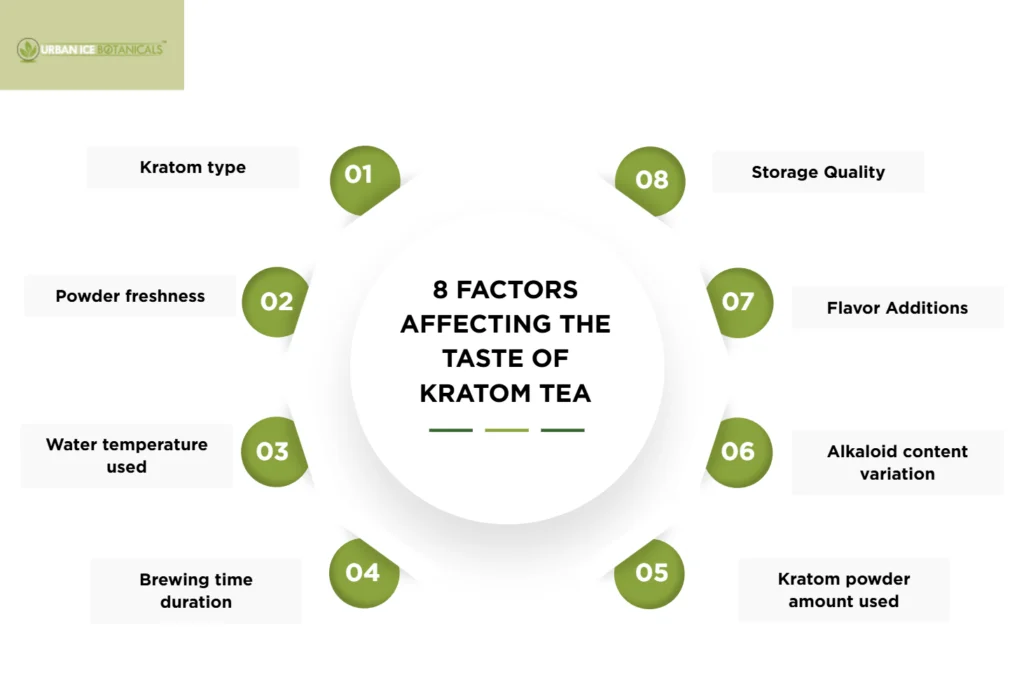
8 factors affecting the taste of kratom tea include:
- Kratom type: White, green, and red strains vary significantly in their natural bitterness and physical effects.
- Powder freshness: Old or improperly kept powder loses its aroma and potency, leaving a stale taste.
- Water temperature used: Excessively hot or boiling water ruins the active compounds and bitterizes the brew.
- Brewing time duration: Keeping the leaves in hot water longer pulls out more alkaloids, but deepens the bitterness.
- Kratom powder amount used: Scaling the dose up directly concentrates the raw, earthy flavor and beverage strength.
- Alkaloid content variation: Environmental growth factors and harvest maturity determine the leaves’ base chemistry and potency.
- Flavor Additions: Mixing in citrus, sweeteners, or spices can mask the plant’s harsh herbal bite.
- Storage Quality: Keeping the brewed liquid away from open air, heat, and light preserves the taste and prevents spoilage.
Kratom type
Red vein leaf varieties naturally produce a more calming beverage because they carry a milder, less aggressive flavor profile suited for relaxation. If you use white vein strains instead, the resulting cup becomes highly stimulating and sharp, taking on a dominant, biting bitterness. Selecting a green vein option bridges this gap by delivering balanced energy levels and a middle-ground taste, while using specialized Maeng Da varieties significantly increases overall potency and leaves a distinct, highly identifiable flavor footprint.
Powder freshness
Using vibrant, green powder ensures your tea tastes deeply organic and crisp because fresh leaves lock in volatile aromatic compounds and un-degraded alkaloids. When you brew with old or stale powder, the liquid loses its strength and tastes flat or musty due to prolonged exposure to environmental degradation. To stop this aging process from ruining your drink, store your powder in an airtight glass container, away from open air, humidity, and direct sunlight.
Water temperature used
Maintaining a precise temperature range between 160°F and 175°F allows the water to gently extract active compounds from the plant matter without disrupting its flavor. Flooding the leaves with boiling water instantly scorches the delicate raw materials, permanently breaking down the active alkaloids and releasing an unpleasant, burnt bitterness into your mug. Monitoring the temperature with a thermometer before you start brewing helps prevent the beverage from losing its strength.
Brewing time duration
Allowing a standard hot steep to run for 10 to 15 minutes extracts a moderate balance of properties for a predictable, mid-strength cup. Forcing a deeper 30-to-45-minute intensive simmer pulls out dense, tightly bound compounds from crushed leaves, which maximizes the beverage’s physical potency but heavily darkens and bitterizes the taste. Alternatively, chilling a cold-brew batch for 12 to 24 hours stops the extraction of harsh tannins, keeping the flavor smooth, while traditional 2- to 3-hour simmering creates an exceptionally concentrated, robust tonic.
Kratom powder amount used
Altering the physical weight of your dose affects how concentrated the liquid becomes; a standard serving ranges from 2 to 4 grams per cup. Introducing a minimal 2-gram dose allows beginners to safely assess their personal tolerance while enjoying a much lighter, more manageable flavor profile. Because adding even a small amount of extra powder rapidly increases the tea’s bitterness and physical impact, using a precise digital scale is necessary to prevent unpredictable dosing.
Alkaloid content variation
The raw concentration of mitragynine and 7-hydroxymitragynine changes based on seasonal sunlight exposure, soil conditions, and the exact maturity of the leaf at harvest. You can actively manipulate these chemical variations during kratom tea preparation by mixing one tablespoon of lemon juice per two grams of powder, which lowers the pH and helps convert the alkaloids into highly soluble salts. Heating this acidified mixture at 190°F for 15 minutes maximizes your overall yield and structural potency.
Flavor Additions
Squeezing fresh citrus juices into your finished brew introduces bright notes that cut through the heavy earthiness while providing natural preservation. Stirring in sweet agents like sugar, honey, or simple syrup masks the powder’s tongue-coating bitterness without changing how thin or thick the liquid feels. If you want to mask the flavor further, adding warm cinnamon alters the aroma to complement the plant’s natural profile, while splashing citrus juices into sparkling water creates a crisp, effervescent drink.
Storage Quality
Sealing your brewed tea in an opaque, airtight container and refrigerating it blocks oxygen and light, which break down active alkaloids. Leaving the liquid exposed at room temperature or in clear bottles causes potency to decline and triggers rapid bacterial and mold contamination. You can easily spot a poorly stored batch by checking for telling signs of spoilage, such as a sour odor, distinct surface mold, or dark liquid discoloration.
What Does Kratom Tea Taste Like?
Kratom tea tastes like a blend of strong green tea, freshly cut grass, and unsweetened dark chocolate because of its naturally high concentration of bitter plant alkaloids and robust, leafy profile. It carries a potent herbal bitterness and deep, earthy undertones that closely resemble damp soil or concentrated leafy greens. When brewed using kratom powder without thorough straining, the tea also takes on a slightly gritty texture that amplifies this bold, distinctive flavor. Because of this intense, bitter taste, many drinkers choose to mix flavorings or sweeteners into their cup to help smooth out the herbal bite.
How Should You Store Kratom Tea?
You should store kratom tea in an opaque, airtight container in the refrigerator for short-term use, or freeze it in freezer-safe containers or pre-portioned silicone ice trays if you want to keep it longer. Refrigerated tea stays fresh for up to one week. Blocking light and preventing oxygen exposure are important steps to preserve the alkaloid content and maintain the tea’s flavor. Proper storage helps maintain the safety and taste of kratom tea, ensuring a better experience each time you enjoy a cup.