

Kratom is used for energy and focus support, physical discomfort management, mood and relaxation support, fitness-related endurance, social use, and transitional support, with effects that vary by dosage, strain, and form. These potential uses reflect how kratom is applied across traditional practices and modern wellness routines, depending on individual goals and context.
Traditionally, kratom was used in Southeast Asia to support work efficiency, stamina, and household health practices, while modern use has expanded into self-care, fitness, and lifestyle-oriented applications. Across these contexts, kratom is associated with possible advantages, supportive properties, and therapeutic potential, rather than fixed or guaranteed results.
Overall, kratom’s utility lies in its adaptability, as different strains, forms, and intake levels are linked to different potential outcomes and health outcomes, including possible relief, positive impacts, and possible improvements. These uses are highly individualized, making awareness of dosage and moderation important factors in shaping real-world experiences.
What Are the Traditional Uses of Kratom?
In traditional Southeast Asian societies, kratom functioned mainly as a natural stimulant and work-supporting plant, helping Thai and Malaysian laborers and farmers manage physical strain, fatigue, and long working hours. Leaves were chewed or brewed into tea to support endurance and alertness, demonstrating their utility and potential in physically demanding environments.
Beyond labor-related use, kratom served an important role in household health practices, particularly among women in rural villages. The 2017 article “Changing trends in the use of kratom (Mitragyna speciosa) in Southeast Asia” documents its widespread use for common concerns such as fever, cough, hypertension, diabetes, pain, and anxiety, reflecting its supportive properties, therapeutic potential, and possible relief within community care.
Kratom was also used for external and preventive purposes, including application as a wound poultice and oral use believed to support deworming and appetite suppression. These practices were based on long-standing observation and were associated with possible advantages and health outcomes rather than formal clinical validation.
Historical records note traditional kratom use as early as 1836, with evidence suggesting earlier origins tied to opium substitution in Malaysia and work stimulation in Thailand. Research from the University of Florida Department of Cellular and Systems Pharmacology indicates that kratom has been used in Asian and Western regions to reduce opioid withdrawal symptoms, pointing to potential outcomes and positive impacts during substance-use transitions.
What Are the Modern Uses of Kratom?
Modern uses of kratom focus on self-care, fitness support, recreational use, and daily wellness, marking a shift from traditional labor-based applications to lifestyle-oriented contexts. Today, kratom is commonly used for pain management (Analgesia), relaxation, energy enhancement, mood support, and social purposes, with growing trends showing its potential uses in fitness for endurance and recovery and in mood-focused routines for possible improvements, positive impacts, and supportive properties that vary by individual use patterns.
- Energy and Focus Enhancement
Within modern wellness and productivity contexts, kratom is used to support alertness, sustained focus, and mental stamina, particularly during prolonged work or cognitively demanding activities. At lower intake levels, its primary alkaloids, mitragynine and 7-hydroxymitragynine, interact with neurological pathways, potentially leading to increased energy, improved concentration, and reduced fatigue. These chemical compounds are often cited when explaining kratom’s supportive properties and utility, as users report possible improvements in focus and motivation without strong sedative effects, though responses vary based on individual physiology, dosage, and frequency of use.
- Physical Discomfort Management
For physical discomfort management, kratom is used in modern settings to support relief from muscle soreness, chronic pain, and inflammation-related discomfort associated with daily activity or long-term conditions. Its alkaloids, particularly mitragynine and 7-hydroxymitragynine, are known to interact with mu opioid receptors, which is why kratom is often discussed in relation to potential outcomes such as reduced pain perception and improved physical comfort. In this context, kratom is viewed for its possible relief, supportive properties, and therapeutic potential, with users reporting varied health outcomes depending on dosage, frequency, and individual sensitivity.
- Mood and Relaxation Support
In modern contexts, kratom is used to support mood balance, emotional regulation, and relaxation, particularly during periods of stress or heightened anxiety. Findings discussed in “Kratom use and mental health: A systematic review (2018)” suggest that kratom’s effects on mood and anxiety more closely resemble those of a stimulant rather than an antidepressant, as its effects tend to begin quickly and do not persist for extended periods. This pattern aligns with reported potential outcomes, such as short-term mood uplift and reduced anxiety, which are framed as possible advantages, supportive properties, and therapeutic potential, with health outcomes varying by intake level, context of use, and individual response.
- Exercise and Fitness
In fitness and physical activity contexts, kratom is used to support endurance, workout consistency, and post-exercise comfort, particularly among individuals engaging in strength training or long-duration exercise. Users commonly associate kratom with potential outcomes such as increased motivation, sustained energy, and possible relief from muscle soreness, which are viewed as possible advantages and supportive properties for maintaining training routines. This trend reflects its growing utility and therapeutic potential within fitness-focused lifestyles, where reported health outcomes vary depending on intake timing, activity intensity, and individual response.
- Social and Recreational Use
Within casual and leisure-oriented environments, kratom is used to support relaxed social interaction, mild mood elevation, and comfortable engagement without strong intoxicating effects. Many users describe potential outcomes such as reduced social tension, improved conversational ease, and a calm yet engaged mental state, which are seen as possible advantages and supportive qualities in informal gatherings. In these contexts, kratom is sometimes considered an alternative to alcohol for maintaining clarity while encouraging relaxation, highlighting its utility and potential uses in recreational routines, with health outcomes varying based on setting, intake level, and individual sensitivity.
- Transitional Support
During periods of substance-use adjustment, kratom is used to support stabilization and gradual transition, particularly by individuals seeking alternatives to stronger opioids. In a controlled animal study, scientists at the University of Florida found that kratom delivered significant pain-relieving comfort, reduced opioid withdrawal symptoms, and caused minimal respiratory depression, which helps explain reported potential outcomes in harm-reduction contexts. These findings are discussed alongside real-world use in terms of possible relief, supportive properties, and therapeutic potential, with health outcomes varying based on prior substance exposure, intake patterns, and individual response.
What Are the Uses of Kratom Based on Dosage?
Kratom uses vary by dosage, with lower amounts used for energy and focus and higher amounts used for relaxation and physical discomfort support. Lower intake levels are associated with possible improvements in alertness and productivity, while higher intake levels are linked to possible relief and therapeutic potential, with health outcomes depending on individual response and use patterns.
What Are the Uses of Kratom at Low Doses (1-5 grams)?
At low doses (1-5 grams), kratom is primarily used for energy enhancement, mental clarity, and sustained focus, making it relevant for daily tasks and productivity-oriented routines. In this range, users commonly report potential outcomes such as increased alertness, improved concentration, and reduced fatigue, which are viewed as possible advantages and utility rather than sedative effects. These uses align with kratom’s supportive properties and potential uses for work, studying, and light physical activity, with health outcomes varying based on individual sensitivity and frequency of use.
What Are the Uses of Kratom at High Doses (5-15 grams)?
At higher doses (5-15 grams), kratom is primarily used for relaxation, physical discomfort support (Analgesia), and sleep-related purposes, as its effects shift toward prominent opioid-like and sedative properties. In this range, users often report potential outcomes such as deeper relaxation, reduced pain perception, and drowsiness, which are described in terms of possible relief and therapeutic potential rather than guaranteed effects. These uses reflect kratom’s supportive properties and utility for managing discomfort and rest, with health outcomes varying based on individual tolerance, frequency of use, and overall context.
What Are the Uses of Kratom Based on Strains?
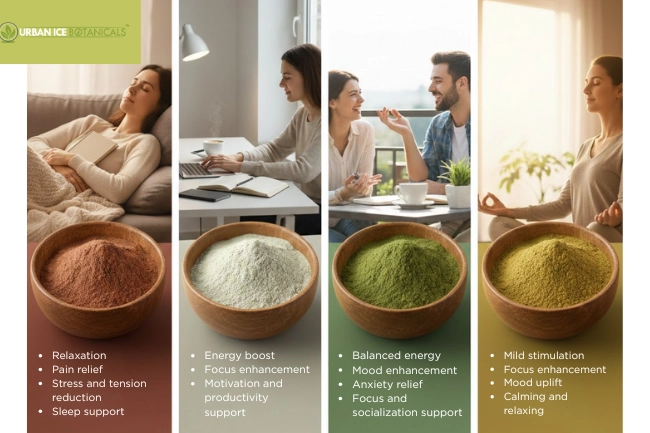
Red vein Kratom strains are used for relaxation and discomfort support, white vein Kratom strains for energy and focus, green vein Kratom strains for balanced effects, and yellow vein Kratom strains for mild stimulation and mood support. These differences reflect distinct supportive properties, possible advantages, and therapeutic potential, influencing potential outcomes, utility, and health outcomes depending on individual needs and the context of use.
What are the Uses of Red Vein Kratom?
Red vein kratom is primarily used to support relaxation, physical discomfort management, and rest, making it one of the most commonly selected strains for calming purposes. Users associate red vein varieties with potential outcomes such as reduced pain perception, eased tension, and a more sedative experience, which are described in terms of possible relief and therapeutic potential rather than guaranteed effects. These characteristics reflect red vein kratom’s supportive properties and utility for evening use, stress-heavy routines, and situations where health outcomes related to comfort and relaxation are the primary goal.
What are the Uses of White Vein Kratom?
White vein kratom is used to support stimulating, energizing, and focus-enhancing effects, making it well-suited for daytime and productivity-focused routines. Users commonly associate white vein strains with potential outcomes such as increased alertness, improved motivation, and sharper mental clarity, which are framed as possible advantages and supportive properties rather than calming effects, with health outcomes varying based on intake level, frequency, and individual response.
What are the Uses of Green Vein Kratom?
Green vein kratom is used to support balanced energy and emotional well-being, making it a versatile choice for users seeking moderate effects without strong stimulation or sedation. It is commonly associated with potential outcomes such as mood enhancement, increased sociability, eased anxiety, steady focus, and light relaxation, which are described as possible advantages and supportive properties. These characteristics contribute to its broad utility and therapeutic potential, with health outcomes varying based on intake level, timing, and individual response.
What are the Uses of Yellow Vein Kratom?
Yellow vein kratom is commonly used as a versatile “middle-ground” strain that supports mild stimulation with calming balance. Users associate it with potential outcomes such as enhanced focus, soothing effects, gentle mood uplift, and a heightened sense of self, which are described as possible advantages and supportive properties rather than intense effects. These characteristics give yellow vein kratom practical utility and therapeutic potential, with health outcomes varying by intake level and individual response.
What Are the Uses of Kratom Based on Forms?
Kratom forms are used for different purposes, with powder chosen for dosing flexibility, capsules for convenience and consistency, tea for gentle and soothing intake, and extracts for concentrated and fast-acting effects. These differences shape potential outcomes and utility, as each form offers possible advantages, supportive properties, and therapeutic potential depending on desired intensity, ease of use, and individual health outcomes.
What Are the Uses of Kratom Powder?
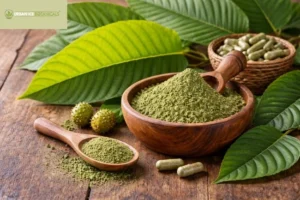
Kratom powder is used for flexible dosing and customizable intake, allowing users to measure specific amounts based on desired effects. It is commonly mixed with water, juice, or smoothies, or brewed into tea, making it easier to adjust quantity for potential outcomes such as energy support at lower amounts or relaxation and physical comfort at higher amounts. This adaptability gives kratom powder strong utility and possible advantages, as users associate it with supportive properties, therapeutic potential, and possible improvements in managing consistency, intensity, and individual health outcomes.
What Are the Uses of Kratom Capsules?
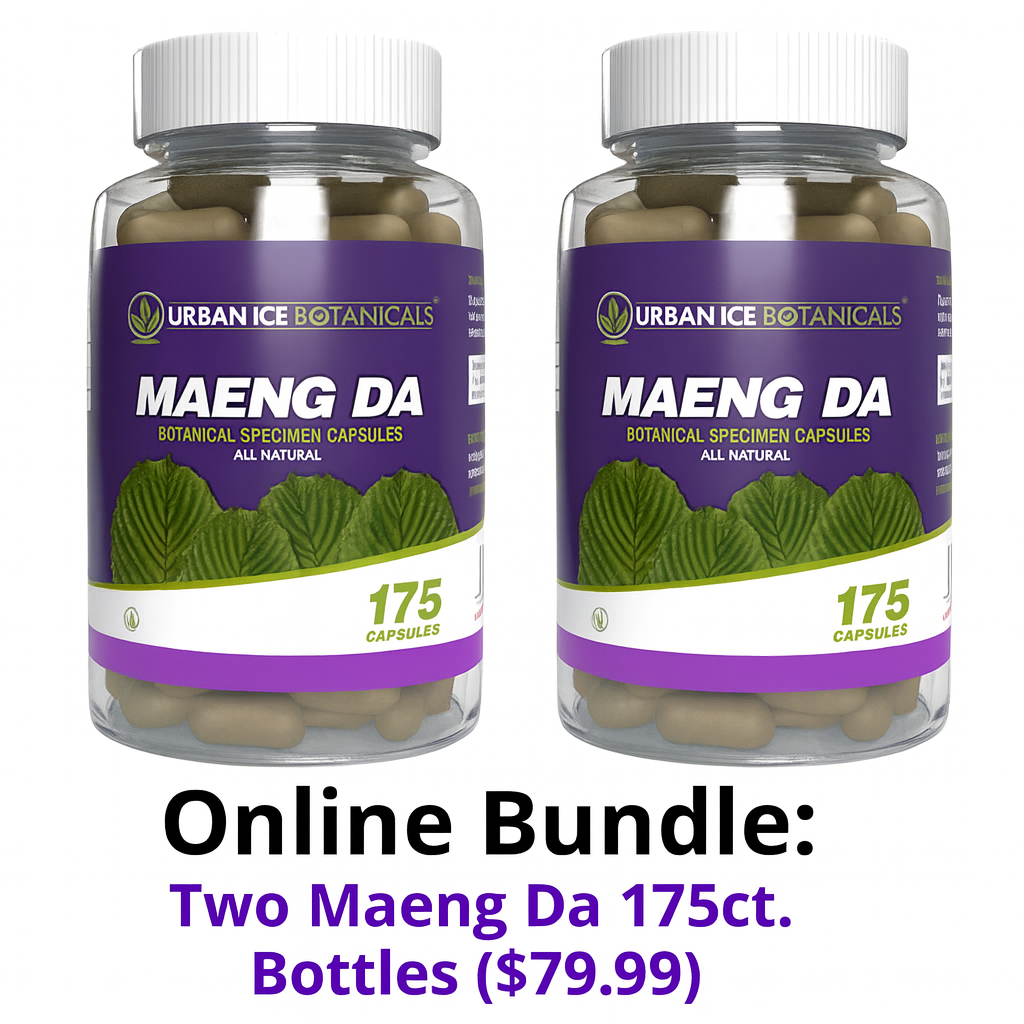
Kratom capsules are used for convenient, controlled, and discreet consumption, making them suitable for users who prefer precise amounts without measuring powder. Each capsule contains a pre-measured quantity, which supports consistent intake for potential outcomes such as energy support, relaxation, or physical comfort, depending on the amount used. This form offers strong utility and possible advantages for portability and ease of use, as kratom capsules are associated with supportive properties, therapeutic potential, and predictable health outcomes related to dosing consistency and routine use.
What Are the Uses of Kratom Tea?
Kratom tea is commonly used for self-directed wellness and gentle intake, making it suitable for users seeking gradual and soothing effects. When brewed and consumed in measured amounts, it is associated with potential outcomes such as possible relief from chronic pain, eased anxiety, mild mood uplift, and light euphoria, which some individuals use to support depression-related symptoms. This form offers practical utility and possible advantages, as it is valued for its supportive properties and therapeutic potential when slower onset and more controlled health outcomes are preferred.
What Are the Uses of Kratom Extracts?
Kratom extracts are used for high potency and fast-acting effects, making them suitable for users seeking strong results in smaller amounts. Due to their concentrated nature, kratom extracts are associated with potential outcomes such as pronounced pain support, sedative effects, and assistance with managing symptoms of opioid withdrawal, anxiety, and depression, depending on formulation and intake level. These characteristics give extracts distinct utility and therapeutic potential, though their health outcomes and potential gain are closely tied to careful dosing and moderation due to their increased potency.
What Are the Risks and Side Effects of Using Excessive Kratom?
Excessive kratom use increases the likelihood of unfavorable health outcomes and reduced safety, particularly when high amounts or frequent intake override its intended supportive properties and therapeutic potential.
7 potential risks and side effects of Kratom include:
- Nausea and vomiting
- Dizziness and headaches
- Digestive discomfort or constipation
- Sedation and fatigue
- Mood changes or irritability
- Tolerance and dependency with long-term use
- Withdrawal-related symptoms after repeated heavy use
Proper dosage and moderation matter because kratom’s potential outcomes and side effects are dose-dependent, and controlled use helps reduce risks and support safer health outcomes.